
What kind of sand to use in chicken coop
I’ve been raising hens out here in the States long enough to watch more than a few fads come and go in the chicken world. One thing that keeps coming up is sand in the coop and run. Done right, sand keeps birds dry, feet clean, and eggs coming steady. Done wrong, it turns into a smelly, dusty headache you’ll blame on the chickens, even though it isn’t their fault at all.
Let me walk you through exactly what kind of sand to use in chicken coop floors and runs, how to avoid the stuff that harms your birds, and how to keep it all working through rain, snow, and July heat.
Let me see options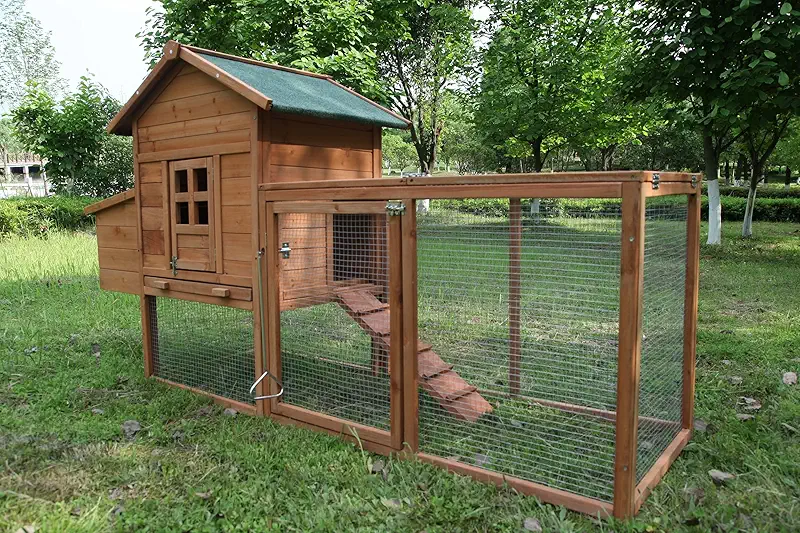
Why sand in the coop can be a good thing
When folks ask me what kind of sand to use in chicken coop floors, I always start with why they want sand in the first place. Sand isn’t magic, but it does a handful of jobs better than most other bedding when you get it right.
Back when I started, I used nothing but pine shavings. They worked fine until spring rains hit. My outside run turned into a pancake of wet shavings, mud, and chicken poop. The girls were tracking it into the coop, onto the roosts, and eventually onto the eggs. That’s when an old neighbor of mine, Earl, shook his head and said, “You don’t have a mud problem, you have a drainage problem. Try sand.”
With the right sand, my run dried faster, smelled better, and cleaning turned into a quick daily chore instead of a weekend project. My boots appreciated it, and so did my back.
The best kind of sand for a chicken coop
Let’s get straight to it: the best kind of sand to use in chicken coop runs and floors is coarse, washed construction sand or river sand. That’s the kind with different sized grains, some gritty pieces, and no dust cloud when you shovel it.
Look for these traits in good coop sand
- Coarse and gritty: you should feel different grain sizes between your fingers, not silky powder.
- Washed and clean: rinsed to remove the fine dust and dirt that cause problems.
- Angular, not round: “sharp” grains help drainage and don’t pack down like beach sand.
- Natural color: tan, beige, or light brown is common. Color isn’t as important as texture.
Around here, the local gravel pit calls it “concrete sand” or “washed construction sand.” In some areas, you’ll hear “river sand.” Names change from state to state, so don’t be shy about asking to run a handful through your fingers before you pay for a truckload.
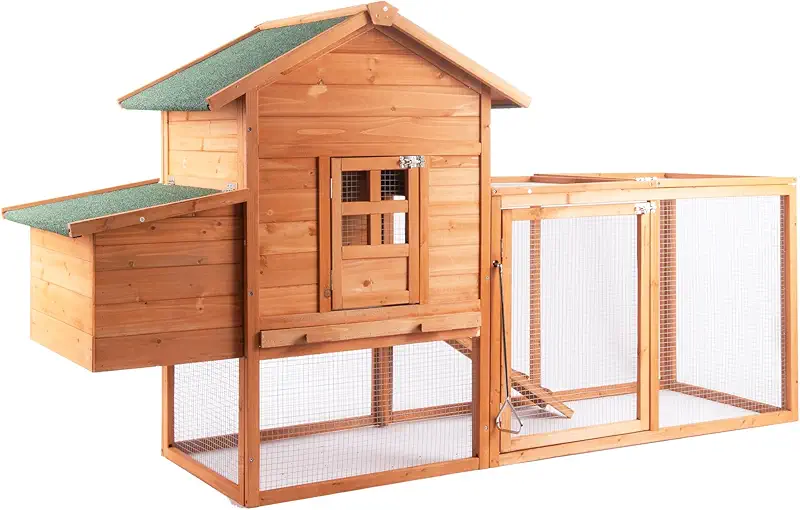
Why coarse construction sand works so well
Coarse construction sand acts almost like kitty litter for chickens. Droppings dry out instead of smearing and soaking in. You can rake or scoop the mess off the top and leave the sand behind. The bigger grains also stay put better in rain and wind, and they don’t stick to every wet foot and feather that touches them.
My hens also use the coarse sand for natural grit. They pick at the small bits to help grind their feed. I still offer separate grit, especially for birds that don’t get out much, but the sand gives them one more choice, and chickens love choices almost as much as they love sneaking into the garden.
Sand you should never use in a chicken coop
Now, this part is important. A lot of people hear “sand” and think any sand will do. That’s how birds end up coughing, limping, and miserable. When we talk about what kind of sand to use in chicken coop runs, we also need to say loud and clear what kind of sand to avoid.
Types of sand to avoid
- Play sand: very fine, powdery, and dusty. Packs down like cement and turns to sludge when wet.
- Masonry sand: also very fine and dusty; made to be smooth in mortar, not healthy for lungs.
- Beach sand: round grains that don’t drain as well and can hold moisture and salt.
- Silica or industrial sand: hard on lungs and eyes for both humans and birds.
Why those sands cause trouble
- Fine grains hang in the air as dust every time birds scratch or you clean.
- Dust irritates eyes and sinuses, leading to coughing and respiratory issues.
- Wet fine sand turns into a sticky mess that glues to feet and feathers.
- Packed surfaces hold moisture instead of letting it drain away.
Years ago, before I knew better, I tried play sand because it was cheap and easy to haul in bags. Within a week I was blowing sand out of my nose after chores and the hens were sneezing more than a hay-fevered farmhand. I shoveled that stuff back out and learned my lesson.
Using sand inside the coop vs in the run
When folks ask me what kind of sand to use in chicken coop areas, I always split the answer in two: inside the coop and outside in the run. The same sand can work in both places, but how you use it, and whether you should, is a little different.
Sand in the outdoor run
The outdoor run is where sand shines the brightest. Chickens scratch, dust bathe, and do most of their “business” out there. Coarse construction sand drains well after rain, keeps feet clean, and lets droppings dry on the surface.
- Lay down a few inches of coarse construction or river sand over solid soil or hardware cloth.
- Give the run a gentle slope so water has somewhere to go.
- Rake droppings off the top layer every day or two.
- Top up thin spots once or twice a year.
In my main run, I spread about three inches of sand over packed earth. After a good rain, the top dries quickly while the soil underneath stays put. The girls come out the door, shake off, and get back to scratching like nothing happened.
Sand inside the coop: yes or no?
Inside the coop, the story is a little more mixed. I’ve used sand on coop floors and I’ve used deep litter with shavings. Both can work, but they behave differently.
Sand inside the coop works best when:
- Your coop is raised, dry, and well-ventilated.
- You’re home most days and don’t mind a quick clean with a scoop.
- You use roost boards and catch most of the droppings there.
- You live in a climate that isn’t damp and cold all winter.
Sand inside feels almost like a giant litter box. I use a cat litter scoop with a long handle and sift the droppings every day or two. It takes ten minutes tops, and the coop stays surprisingly fresh.

If your coop tends to stay damp, or your winters are long and bitter, you may be better off with a deep litter method and leave sand for the run. Sand doesn’t give off cozy heat the way composting bedding does, and cold birds will let you know with pale combs and fewer eggs.
How deep should the sand be?
When you’re figuring out what kind of sand to use in chicken coop runs, depth matters almost as much as type. Too little sand and you’ll be scraping bare dirt. Too much and you’re hauling more than you need.
Good starting depths
- Outdoor run: about 2–3 inches of coarse sand works for most backyards.
- High-traffic dust bathing areas: 3–4 inches so the girls can really sink in.
- Inside the coop floor: 1.5–3 inches, depending on how often you clean.
I started with just an inch outside, trying to save money. All I did was stir up the mud underneath. Once I went thicker, the sand became the real surface instead of a thin blanket over the problem.
Over time, some sand will walk out on chicken feet or get scratched into corners. Plan to top it off a couple of times a year. Think of it like gravel on a driveway: the base stays, you just freshen the top.
Keeping sand clean and healthy for your flock
Choosing what kind of sand to use in chicken coop runs is step one. Step two is keeping that sand clean and safe. The good news is, once you get a routine down, it’s not hard work—just steady work, like most farming.
My simple sand-cleaning routine
- Daily or every other day: Scoop obvious droppings from favorite roost spots and corners.
- Weekly: Rake through the top inch to break up any clumps and bring fresh sand up.
- After big rains: Check for puddles and add a little more sand where it washed thin.
- Seasonally: Remove any sour, compacted patches and replace with clean, coarse sand.
I keep a dedicated rake and scoop by the run gate. Takes about the time of a cup of coffee, and sometimes I combine the two—scoop with one hand, sip with the other. The hens supervise, of course.

Watching for moisture and smell
Good sand should smell like clean earth, maybe a little dusty on dry days, but never sour or swampy. If you walk into the run and wrinkle your nose, your sand is trying to tell you something:
- If it smells like ammonia, increase cleaning and improve ventilation.
- If it smells swampy, you’ve got a drainage problem—add more sand and give the water an exit route.
- If it cakes into solid chunks, the sand is too fine or too wet; mix in coarser sand and fix drainage.
Remember, the goal is dry feet, dry droppings, and dry feathers. The drier your run, the healthier your chickens’ lungs and feet will be.
Sand, seasons, and climate
Climate changes how you use sand, even if the basic answer to what kind of sand to use in chicken coop runs stays the same. Coarse construction sand still wins, but how you manage it from January to July might shift.
Hot, dry climates
In hot states, sand heats up in direct sun like a skillet. Chickens will avoid the hottest patches, just like we avoid the middle of a blacktop in August. Offer shade and let the birds pick their spots.
- Provide plenty of shade with tarps, shrubs, or solid roofing.
- Offer a deeper dust bath with dry soil, wood ash, and some sand mixed in.
- Keep fresh water close to the run so they don’t walk far on hot sand.
Cold and wet climates
In cold, rainy places, sand is a blessing if you manage moisture. It drains better than plain dirt, but rain still has to go somewhere.
- Make sure the run slopes gently so water doesn’t pool.
- Use coarse sand only; fine sand turns into a slick, icy mess in winter.
- Consider using sand mainly in covered sections of the run.
On my place, we get a little of everything: summer heat, spring mud, and a winter that can’t make up its mind. Sand lets the run bounce back faster after each season’s mess.
How sand affects egg laying and hen health
Chickens may not write thank-you notes, but they do send messages. Clean eggs, strong shells, bright combs, and steady laying are all signs you’re on the right track with your bedding and run.
Benefits I’ve seen from good sand
- Cleaner feet: less mud means fewer dirty eggs in the nest boxes.
- Healthier legs: firm, dry footing reduces bumblefoot and slips.
- More dust bathing: sand encourages natural grooming and mite control.
- Calmer flock: a dry, comfortable run makes for less squabbling.
When I switched my main run to coarse sand, the first thing I noticed was how much less time I spent scraping dried muck off eggs. They came out of the nests looking like something from a farm calendar instead of a mud-wrestling contest.

One hen in particular, old Ruby, used to get a mild case of bumblefoot every wet spring. Once the run went to sand and stayed drier, those little foot troubles nearly disappeared. She still bosses the younger birds around, but that’s just Ruby being Ruby.
How to talk to suppliers about the right sand
Sometimes the hardest part of figuring out what kind of sand to use in chicken coop floors is translating “chicken keeper” into “gravel yard.” Different suppliers use different names, so it helps to know what to ask for.
Words and phrases that usually point to good sand
- “Coarse construction sand”
- “Concrete sand”
- “Washed river sand”
- “Utility sand, coarse grade”
When you call or visit, don’t be shy about telling them it’s for chickens. I’ve had more than one loader operator lean on his shovel and say, “Oh, then you don’t want the fine stuff,” and point me in the right direction.
If you’re looking at bagged options, read the bag closely. Avoid anything labeled “play sand,” “sandbox sand,” or marketed for smooth mortar or masonry work. Those are almost always too fine for a coop.
FAQ: What kind of sand to use in chicken coop
The best sand for a chicken run is coarse, washed construction sand or river sand. It should have mixed grain sizes and feel gritty, not silky. That kind of sand drains well, doesn’t kick up as much dust, and lets droppings dry on the surface so you can rake or scoop them out easily.
Play sand is not a good choice for chickens. It’s very fine and dusty, which can irritate their lungs and eyes. It also tends to pack down and hold moisture, turning into a sticky mess when it gets wet. If the bag says “play sand” or “sandbox sand,” I leave it on the shelf.
Yes, you can use coarse construction sand inside the coop, but it works best in a dry, well-ventilated building and with a keeper who is willing to scoop droppings often. It behaves like a big litter box. In very cold or damp climates, many folks prefer deep litter with shavings or straw inside and save sand for the run.
You don’t usually replace all the sand at once. With regular cleaning, most of it can stay put for a long time. I scoop droppings off the top, rake it weekly, and add fresh sand a couple of times a year to fix low spots. Only badly compacted or smelly patches get shoveled out and replaced.
Sand itself doesn’t give off heat like deep composting litter does. In hot weather, shaded sand can feel cool and comfortable for dust bathing. In cold weather, it stays about the same as the air and ground around it. That’s why I use sand mainly for drainage and cleanliness, and rely on good coop design and bedding to keep my hens comfortable in winter.
Putting it all together for a happy flock
When you boil it down, figuring out what kind of sand to use in chicken coop runs comes down to a few simple truths: choose coarse, washed construction sand; keep things dry; and stay on top of cleaning. Do that, and your birds will tell you you’re on the right path with bright eyes, clean feet, and eggs that don’t need a full bath before breakfast.
Chickens are honest critics. They don’t read labels, follow trends, or care what the neighbors think. They care about dry ground, safe footing, fresh air, and a place to scratch and bathe. The right sand, used the right way, checks all those boxes.
If you’re ready to see what will fit your own coop and backyard, there are plenty of ready-to-go setups and accessories that pair well with a good sand run. Take your time, picture your hens walking on it in the rain and the heat, and let common sense guide you. That, and a little old farmer stubbornness, has kept my birds laying steady for years.


Before you go back to the flock
Out here, we say a good coop and a good run are like good boots and good socks—you really notice when you skimp on either one. Sand won’t fix every problem in the chicken yard, but the right kind, in the right place, takes care of a whole lot of them before they start.
Whether you’re on your very first batch of pullets or your fifth flock of hard-working hens, you’ll never regret giving them dry, solid ground under their feet. They pay you back in eggs, in fertilizer, and in that soft chattering sound only a content hen makes when she’s scratching where she’s happy.
