
Manual chicken coop door
Manual Chicken Coop Door
I have raised laying hens for decades out here in the country, through coyotes, raccoons, snowstorms and the odd power outage that seems to happen right when you do not want it. A simple manual chicken coop door, used the right way, has kept more of my birds safe than any fancy gadget I ever tried.
In this guide I will walk you through how a manual chicken coop door really works on a day‑to‑day farm, how to choose a solid one, and how to train your hens and yourself so closing the coop becomes as natural as brushing your teeth. No slick promises, just the kind of advice an old neighbor would share over a fence.
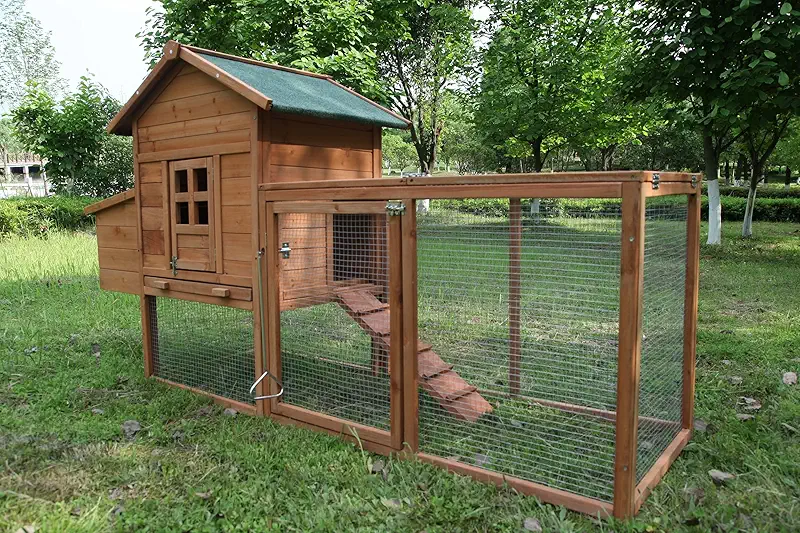
Why I still trust a manual chicken coop door
Folks ask me all the time, “Why don’t you just let a motor handle the door so you can sleep in?” I smile and tell them the same thing my granddad told me: “When a fox comes calling, I’d rather trust my own two hands than a little blinking light.”
Over the years I have tried a bit of everything—fancy automatic doors, timers, solar sensors, you name it. Some worked well for a while, some not so much. But the old‑fashioned manual chicken coop door has a few big things going for it:
- It does not care if the power goes out.
- It does not freeze up because a sensor got dirty.
- It does not open at the wrong time because a cloud confused it.
- It makes you lay eyes on your birds twice a day.
That last point is the one that really matters to me. Walking out to the coop morning and night, hand on the door, I am forced to listen and look: Are they all talking like they usually do? Any hen tucked up in a corner looking off? Did something claw at the outside of the coop last night?
A manual door turns closing time into a quick little health check, and over the years that habit has saved more than a few hens from slow troubles like mites, worms, or a lurking predator that was testing the fence.
What makes a good manual chicken coop door
Not every manual chicken coop door is worth your time or your birds’ trust. Some look fine in a photo but twist, warp, or stick once they taste a bit of real weather. When I look at doors, I think less like a shopper and more like a raccoon: “If I were a hungry little bandit, could I pry this thing open?”
Here is what I pay attention to.
1. Solid, predator‑proof construction
I want the door itself stiff and strong. Metal, or a good‑quality weather‑treated wood that does not swell like a sponge, is my choice. A flimsy plastic door might look pretty, but raccoons have clever paws and all night to work on it.
- Door should not flex much when you push or pull on a corner.
- Frame needs to be snug against the coop wall with no big gaps.
- Track or hinges must not leave a little “claw hold” spot for predators.
2. Smooth sliding or swinging
I want to be able to open and close the door with two fingers, even on a cold morning when everything has frosted over. If it sticks on day one, it will be a headache by the first hard winter.
Sliding doors should move easily up and down with no wobble that lets them jam. Swinging doors need strong hinges and a way to latch tight without sagging. I once had a saggy door that always scraped the sill; turned closing the coop into a wrestling match every night.
3. A latch that really means “closed”
Predators are smarter than we give them credit for. I have watched a raccoon study a simple hook‑and‑eye latch like it was a puzzle game, and after a few nights he figured it out. I prefer latches that take a little more effort than just a quick flip.
Think “wind‑proof and raccoon‑resistant.” If a stiff wind could wiggle it loose, or a curious kid could open it with one finger, I would pick a better latch.

Manual vs automatic: what really matters for your hens
The debate between a manual chicken coop door and an automatic one can get almost as heated as which football team you root for. I am not against automatic doors; I just think you ought to know what you are trading when you let a machine tuck in your flock.
When a manual door shines
- Unreliable power. Out here, the lights flicker any time the wind sneezes. Manual wins.
- Heavy snow or dust. Sensors can get confused; your hand does not.
- Mixed flocks and slow hens. You can wait that extra five minutes for the late lady.
- New chicken keepers. Daily visits teach you more than any book can.
Where automatic can help
I will admit, when chores pile high and days get short, an automatic door can feel like an extra pair of hands. If you work late or leave before sunrise, a good automatic door can cover the times you truly cannot.
But here is the thing: even with an automatic setup, I still like having a manual handle or override. Any system that depends fully on batteries, sun, or wires will fail eventually. A simple manual option is my comfort blanket.
So if your budget only stretches so far, or you would rather put your money into better feed and bedding, a sturdy manual chicken coop door is nothing to feel “behind” about. It is old‑school for a reason: it works.
How I installed my favorite manual chicken coop door
Let me walk you through how I usually set up a new door. You do not need to be a carpenter; just patient enough to measure twice and cut once. I have put in doors on new coops and on old crooked sheds that leaned like they had already lived three lives.
Step 1 – Choose the right spot
I like the door to open into a dry, well‑drained run. Chickens do not enjoy stepping into mud any more than we do stepping into cold dishwater. I also keep the door where I can reach it easily in all seasons—no one likes wading through waist‑high snow just to close up.
Step 2 – Mark and cut carefully
Before I ever touch a saw, I hold the door frame up to the wall and trace where it should sit. I make sure:
- The bottom is high enough to stay out of running water.
- The opening is tall enough so even my biggest hen can walk in without ducking too much.
- The door will slide or swing without catching on studs or trim.
Then I cut out the opening a hair smaller than I think I need, test‑fit the frame, and shave the edges until it is snug. A gap the width of a pencil might not look big, but a cold draft finds every crack, and so do little weasels.
Step 3 – Anchor and seal
Once the frame looks right, I screw it into solid framing, not just thin siding. I like exterior‑grade screws and I use more of them than the instructions say—wood moves, and I live where wind loves to show off.
After that I run a bead of outdoor sealant around the edges. Keeps out drafts, bugs, and the odd drip of rain that tries to sneak in.


Training your hens and yourself to a door routine
A manual chicken coop door is only as safe as the routine behind it. I like to say the door is just the lock; the real security system is your habit.
Get your hens on a schedule
Chickens are creatures of habit. Once they know when nightfall means “bedtime,” they will put themselves away. You do not need to chase them every time like it is a rodeo—though we have all had a stubborn hen or two who thought she was special.
- For the first week or two, close the door at the same time every evening.
- Scatter a small handful of scratch inside the coop about 15 minutes before closing.
- Use the same call or whistle each night when you head out.
Before long, they will hear that sound and come running, all on their own. Mine hear the rattle of the feed can and act like I just rang the dinner bell at a fancy restaurant.
Create a human “closing checklist”
To keep myself honest, I follow the same pattern every single evening:
- Count heads on the roosts—“one, two, three...” until everyone is accounted for.
- Check for strange smells (sour or sharp can mean trouble with droppings or damp).
- Look over the floor for signs of digging under the walls.
- Pull the door closed and test the latch twice.
That whole routine takes maybe two minutes, but it has caught problems early dozens of times. One winter I noticed a little tunnel starting under the back wall. Next night I set a trap outside the fence and found out a weasel had been casing the place. If I had just clicked a button from the porch, I probably would have found feathers instead.
Weather, predators, and other real‑life headaches
The manual chicken coop door on a screen in your hand looks clean and easy. Out in the field, there is mud, ice, snow, and sly critters that treat your coop like a buffet with a cover charge.
Dealing with winter and ice
In real cold, metal tracks can freeze, and snow can pile up against the outside. I learned that the hard way one January when I had to kick a frozen drift away at five in the morning while my coffee cooled on the porch.
- Keep the bottom of the door a couple of inches above the ground level.
- Brush snow away from the door area every time you go out.
- When you clean the coop, wipe the tracks or hinges with a dry cloth to keep dust and damp from building up.
Outsmarting raccoons, foxes, and friends
Predators will test everything you build. I have come out in the morning to see scratch marks all around the frame, like a crime scene. A strong manual door holds up fine, as long as you do your part:
- Lock it every single night, even if you “just run to town for a minute.”
- Use hardware cloth on windows and vents so the door is not the only defense.
- Walk the outside of the coop once a week and look for fresh digging or claw marks.
Remember: predators only have to win once. We have to win every night. A well‑made manual door tilts the odds in our favor.


How a good manual door helps egg production
You might not think a door has much to do with eggs, but hens lay their best when they feel safe, dry, and settled. A solid manual chicken coop door is like a front door on a quiet house—it helps them relax.
When predators pace around at night and light leaks in through gaps and cracks, hens sleep light. Stressed hens lay fewer eggs, and the shells get thinner. Once we tightened our doors and added better latches, I saw a quiet change: fewer surprises in the morning and more strong‑shelled eggs in the nesting boxes.
Closing that door by hand also nudges you to look at the little details that add up for laying hens:
- Is the bedding dry, or does it smell sour?
- Are there enough roosting spots so no hen gets bullied to the floor?
- Is the coop draft‑free but still well‑ventilated near the roof?
Do those things well, and your hens will pay you back in clean, steady eggs. I have always said a calm hen lays a good egg, and a strong door is part of that calm.
Manual chicken coop door – common questions
If it is built sturdy, installed tight, and closed every night, yes, a manual chicken coop door is plenty safe for most backyard flocks. The key is your routine. Predators do most of their work after dark, so as long as the door is closed and latched before night settles in, your birds are as safe as with a fancy automatic door—sometimes safer, because you are checking everything by eye.
I like to close mine right around dusk, once the hens have all gone to roost on their own. At first you can watch and see when they naturally head inside, then make that your habit. In winter that might be late afternoon; in summer it may be much later in the evening. If I know I will be out after dark, I close it just before I go, after making sure every hen is inside.
For standard laying breeds, I like a door opening about 10–12 inches wide and 12–14 inches tall. That gives even a big hen room to move without banging her wings. Bantams can live with smaller, but bigger does not hurt as long as the door itself closes tightly with no big gaps at the sides or bottom. I would rather slightly oversized with a good frame than skimpy and awkward.
For most backyard flocks, not at all. Closing and opening a manual door takes under a minute each time. You spend more time waiting for the kettle to boil. The benefit is you lay eyes on your hens every day, notice small problems early, and stay connected to the rhythm of the flock. If your schedule is wild, you can still keep a manual door and just make sure a neighbor or family member knows the routine when you are away.
I would look for honest photos of the frame and latch, not just pretty pictures of hens in sunshine. Solid materials, strong hardware, a simple but secure locking system, and clear installation instructions all matter. I also like seeing how other folks with real flocks talk about it—especially how it handles bad weather. When you find a door that looks sturdy and straightforward, that is usually the right one, not the flashiest one.
When you are ready to look around, take your time. Picture that door on a cold, windy night, not just a sunny day in the catalog. Your hens will thank you in their own way—with calm clucks and strong eggs.
Ready to explore more coops and doors?
A good manual chicken coop door is just one piece of a steady, happy flock. The right coop, with dry bedding, safe roosts, and enough room to stretch, turns chores into a simple daily rhythm instead of a constant fix‑it project.
If you feel yourself thinking, “I should really see what is out there for my birds,” that is usually your gut telling you it is time to plan ahead a little. Do it now, while the weather is kind and the hens are calm.
Show me all coops