
After forty years of chasing coyotes, patching coops at midnight, and counting eggs at sunrise, I’ve learned one thing the hard way: the right hardware cloth for chicken coop safety is worth more than any fancy feeder or shiny new waterer.
Let me walk you through how I protect my hens, which mesh sizes actually work, and where hardware cloth matters most around a coop.
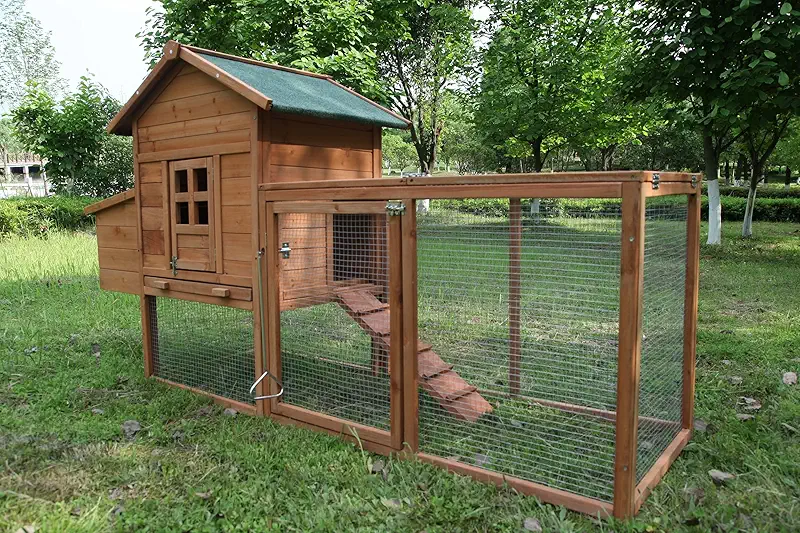
Hardware Cloth For Chicken Coop
Out here on the farm, I sleep better when I know the coop is tighter than a drum. Chickens are sweet, noisy, and not the brightest creatures the Good Lord made. They’ll walk right up to a fence and say hello to a raccoon like he’s an old friend. That’s why the fence, and especially the hardware cloth for chicken coop safety, has to do the thinking for them.
Over the years I’ve tried everything: chicken wire, pallets, old barn doors, even a busted truck tailgate. Some of it worked for a while, some of it turned into an all-you-can-eat buffet for the local predators. The difference between “a few hens” and “a steady basket of eggs” came down to using real hardware cloth in the right places.
If you’re new to keeping hens, or you’ve just had your first bad night with feathers everywhere and a guilty-looking fox track in the mud, this page is for you. I’ll share what I use, where I put it, and what I wish someone had told me before I lost my best layer to a raccoon with nimble fingers.
Hardware Cloth vs Chicken Wire: Old Farmer’s Truth
Let’s clear this up first, because folks mix these two up all the time. Chicken wire is made to keep chickens in. Hardware cloth is made to keep predators out. There’s a world of difference, and it usually shows around 2 a.m. when you hear a ruckus in the coop.
Chicken wire is thin, flexible, and easy for you to bend. That also means it’s easy for a raccoon to bend, a dog to chew through, and a fox to push open. Around here, chicken wire is for keeping hens out of my garden, not for keeping hungry critters away from my hens.
Hardware cloth, on the other hand, is a heavy welded wire mesh. It’s stiff, strong, and when it’s fastened right it doesn’t give much at all. Predators can’t chew it, can’t reach through it, and can’t wiggle it open if you attach it properly.
- Chicken wire: Keeps birds in, but not predators out.
- Hardware cloth: Keeps both birds in and predators out when used correctly.
- Best mix: Chicken wire for “polite” areas, hardware cloth for every spot that matters.
I like to joke that chicken wire is like a screen door on a submarine when it comes to night-time protection. It might look like a fence, but the predators know better.
Choosing The Right Hardware Cloth For Chicken Coop Safety
Not all hardware cloth is the same. When you’re looking for hardware cloth for chicken coop projects, there are three main things to pay attention to: mesh size, wire gauge, and coating.
1. Mesh Size: 1/4" vs 1/2"
Around my place, these two mesh sizes do 99% of the work:
- 1/4 inch mesh: Best for small predator protection. Keeps out snakes, weasels, and even little grabby paws trying to reach in for a midnight chicken snack.
- 1/2 inch mesh: Plenty strong for most coops and runs. Good for dogs, foxes, raccoons, opossums, and anything big enough to make a mess.
I use 1/4 inch mesh for vents, windows, and anywhere a weasel might squeeze through. I use 1/2 inch mesh for the sides of the run and big open areas where strength matters more than tiny holes.
2. Wire Gauge: How Thick Is “Strong Enough”?
Gauge numbers can be confusing, but here’s the simple farmer version: lower number = thicker wire = stronger fence.
- 19 gauge: Light duty. OK for some small projects, not my first choice for predator country.
- 16–17 gauge: Sweet spot for most backyard coops. Tough, but still workable by hand.
- 14 gauge: Serious stuff. Great where you know big dogs or coyotes are testing the fence.
Around here, 16 or 17 gauge 1/2 inch hardware cloth has held up through years of weather and plenty of curious critters. My raccoons are persistent but not that strong.
3. Coating: Bare Steel Or Galvanized?
If you don’t like rust, look for galvanized hardware cloth. Either galvanized before weld (GBW) or after weld (GAW) will last much longer outdoors than bare steel. On my first coop, I used some cheap uncoated mesh I found on sale. By year two it looked like old barbed wire from my granddad’s fence line.
These days I stick with galvanized rolls. They stand up to rain, snow, chicken poop, and whatever else the yard throws at them.

Close-up of tightly attached mesh along the lower part of the run, where predators like to test for weak spots.
Where Hardware Cloth Matters Most On A Chicken Coop
You don’t have to wrap the entire world in hardware cloth, but there are a few spots where I don’t cut corners. These are the areas I protect first whenever I build or fix up a coop.
1. Windows And Vents
Chickens need fresh air more than most folks realize. Good ventilation keeps the coop dry and the birds healthy. But every hole that lets air in can let something else in too.
- Use 1/4 inch hardware cloth over every window and vent.
- Mount it on the inside of the framing so predators can’t peel it off.
- Use screws and washers or heavy-duty staples every couple inches.
I once had a raccoon peel chicken wire off a vent like he was opening a can of beans. After that night, every vent got a layer of hardware cloth screwed straight into the framing.
2. The Lower Three Feet Of The Run
Most of the trouble happens low to the ground. Dogs, foxes, raccoons, possums—they all work right at chicken level. That’s why the bottom three feet of your run is prime hardware cloth territory.
- Run 1/2 inch hardware cloth around the lower 3 feet of the entire run.
- If you want, you can use lighter fencing higher up where predators can’t reach as easily.
- Pull it tight and fasten every few inches so it can’t be pushed in or out.
3. The Skirt Or “Predator Apron”
This one is a game changer, especially if you have foxes or digging dogs. A predator apron is a strip of hardware cloth laid flat on the ground all around the coop and run.
- Lay 12–24 inches of hardware cloth flat on the ground along the outside of the fence.
- Attach one edge to the bottom of the fence.
- Cover the rest with soil, straw, or gravel.
When something tries to dig, it hits that horizontal mesh and usually gives up. I watched a fox one night start to dig, scratch around a bit, then trot off to bother someone else’s chickens instead.

Hardware cloth used as a predator apron, laid flat and covered to stop diggers from tunneling in.
4. Doors, Latches, And “Human Openings”
Any place you step through, reach through, or forget to latch is a place a predator will test. I treat every door like I’m trying to keep out a toddler with a crowbar.
- Cover gaps around doors with small strips of hardware cloth if they’re wider than your little finger.
- Back up wooden doors with mesh if they’re thin or have decorative cutouts.
- Use carabiners or locking clips on latches—raccoons are clever.
My rule is simple: if I can see daylight through a gap, I assume something sneaky can get through it.
How I Install Hardware Cloth On A Coop (Step By Step)
Putting up hardware cloth for chicken coop projects isn’t hard, but it does go smoother with a little planning. Here’s how I usually do it when I’m not in a rush, the sun’s shining, and the coffee’s strong.
Tools And Supplies I Grab First
- Rolls of hardware cloth (1/4" or 1/2" as needed)
- Heavy-duty gloves and long sleeves (that mesh is scratchy)
- Tin snips or dedicated wire cutters
- Exterior screws with wide washers, or 1" poultry staples
- Measuring tape and a marker or chalk
- Staple gun for quick tacking while lining things up
My Simple Installation Routine
- Measure twice. I measure the opening or wall section and add a couple inches to each side. Extra overlap gives more wood to bite into and fewer weak spots.
- Cut with gloves on. Those cut ends are sharp. I’ve shed more blood on wire mesh than on every rooster I’ve ever processed.
- Tack in place. I use a staple gun to hold the panel where I want it, then go back and secure it properly with screws and washers.
- Secure the edges close. No more than 2–3 inches between screws or heavy staples along the perimeter.
- Fold the corners. If I’m wrapping a corner, I like to bend the mesh so it hugs the edge, not leave an open seam.
- Trim the sharp bits. Any wire tails sticking out get clipped or hammered flat. My arms and my birds both appreciate that.

A neat, tight install of hardware cloth on a framed opening, fastened with screws and washers, not just light staples.
Personal Lessons From Predators, Hens, And Hardware Cloth
Most of what I know about hardware cloth for chicken coop safety I didn’t learn from a book. I learned it from mistakes, and usually at night, with a flashlight in one hand and my boots on the wrong feet.
The Night Of The Clever Raccoon
Years back, I had a pretty coop with big open windows covered in chicken wire. Looked nice, let in plenty of breeze, and worked fine—until a raccoon decided to upgrade his dinner plans.
He climbed right up, grabbed the chicken wire, and leaned back with his full weight. By the time I heard the commotion, he’d peeled the wire off like the lid on a sardine can. I lost two good hens that night, including my old girl Hattie who’d laid me more eggs than I could count.
The next day, every window and vent got hardware cloth, screwed into solid framing. That raccoon came back, you could see his muddy prints on the walls, but this time he went away hungry.
The Fox That Hated The Apron
Another time, I noticed a fox cruising by every few evenings. One morning I saw fresh dig marks all along the run fence—right up to where the shovel had sliced the ground for my hardware cloth apron. He’d started to dig, hit the mesh, and backed off.
I smoothed out the dirt and checked again the next day. Same story: fresh scrapes, no hole, annoyed fox tracks. After a week he wandered off to easier work. That flat strip of mesh laying around the coop paid for itself many times over.
Why I Still Use Chicken Wire (Sometimes)
Now, I’m not saying chicken wire is useless. I still use it for:
- Keeping hens out of my tomatoes and young berry bushes.
- Temporary pens in broad daylight with me nearby.
- Light overhead netting to discourage hawks when I’m outside working.
But when I’m thinking “night-time safety,” I reach for hardware cloth first. I’d rather spend my money on feed and scratch than on restocking a flock.

A mix of fencing: lighter wire above, solid hardware cloth where predators do their real testing.
Keeping Your Layers Safe, Calm, And Laying Strong
Good protection isn’t just about stopping predators. It also keeps your hens calm. A flock that feels safe, dry, and comfortable will pay you back with steady baskets of eggs and fewer health problems.
How Hardware Cloth Helps Hen Health
- Less stress: When predators can’t stalk right up to them, birds sleep better.
- Better airflow: Secure vents mean you can open more windows without fear.
- Drier litter: Better ventilation leads to less dampness and fewer respiratory issues.
I’ve had two coops side by side over the years—one older, drafty, not well protected, and one tighter with proper mesh. The secure, well-ventilated coop always had brighter-eyed birds and better shells on the eggs.
Daily And Seasonal Checks
Once you’ve put in the right hardware cloth for chicken coop protection, keeping it in good shape doesn’t take long. I just work it into my routines.
- Daily: Quick walk around while I’m feeding, looking for loose corners or fresh dig marks.
- After storms: Check for fallen branches, bent panels, or damage from flying debris.
- Each season: Tighten any sagging sections and trim back plants growing into the fence.

A clean, calm flock in a secure run. Good protection lets you focus on healthy birds and strong egg production.
FAQ: Hardware Cloth For Chicken Coop
Bringing It All Together
When folks ask me what matters most in a coop, I don’t start with paint colors or cute decorations. I start with strong framing, dry bedding, and good hardware cloth for chicken coop protection. Once those pieces are solid, everything else is just comfort and convenience.
The right mesh, in the right places, turns a “pretty coop” into a safe home for your flock. Your hens don’t care how it looks. They care that nothing grabs them off the roost at night, the wind can move through without drafts, and they can scratch and cluck in peace.
If you’re standing there with a brand-new roll of hardware cloth and a coop that needs work, you’re already on the right track. Take your time, fasten it well, and remember— it’s easier to overbuild once than to fix heartbreak later.

A finished setup: solid coop, sturdy run, and hardware cloth where it counts. The kind of place hens can grow old in.
If you’d like to look over different styles of coops and runs that pair well with strong hardware cloth, take your time and browse a bit. Find something that fits your yard, your weather, and the kind of mornings you want to wake up to.
I’ll explore coops now