
Free range chicken coop
Free Range Chicken Coop
Honest lessons from a tired but happy American farmer who has cleaned more coops than he cares to admit.
When folks ask me what changed my farm the most, I don’t say a tractor or a fancy barn. I say a good free range chicken coop. Once my hens had a safe home and room to roam, the whole place felt more alive. The eggs got richer, the birds got calmer, and I stopped chasing chickens out of my wife’s garden. Mostly.
If you’re dreaming of happy hens scratching in the grass and bringing you fresh eggs, the heart of that dream is a thoughtful free range chicken coop. Let me walk you through what actually matters, what looks pretty but fails in the rain, and what I wish I’d known before my first flock turned my yard into a muddy carnival.
This looks promising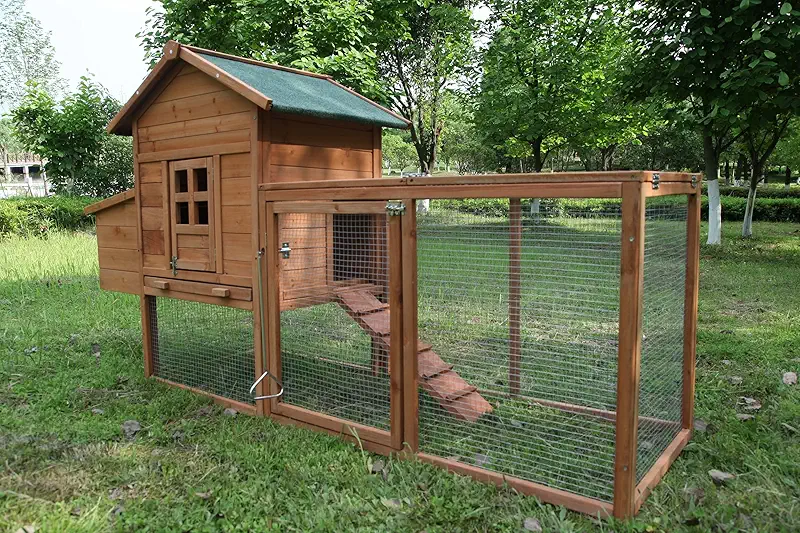
What “free range” really means on a small farm
Around here, “free range” doesn’t mean chaos and chickens sleeping in trees. It means a safe coop for nighttime and bad weather, plus access to grass, bugs, sunshine, and room to be a real chicken. Your free range chicken coop is the base camp, the safe house, the place they come home to every evening whether you call them or not.
When I first started, I thought free range meant I just opened the door and wished them good luck. I learned fast. Between hawks, neighborhood dogs, and a fox that thought my place was a diner, I realized the coop and the way I set up their range area had to work together like a good pair of boots and thick socks.
Key features of a great free range chicken coop
1. Enough space without going overboard
A rule of thumb that has never failed me: about 4 square feet per bird inside the coop, and at least 10 square feet per bird in the outdoor area if you’re fencing part of it. Free range hens still like elbow room inside, especially in winter when they’re cooped up more than they’d like.
I once tried to “squeeze in just a few more hens” into a small coop. They let me know what they thought of that idea by pecking each other’s tails and yelling at sunrise. Give them space, and you’ll see calmer birds and better egg laying.
2. Ventilation: fresh air without cold drafts
Chickens breathe out a lot of moisture. If your coop can’t breathe, you’ll get damp bedding, ammonia smell, and sick birds. I aim for vents high up under the roofline so the warm, moist air can escape while the birds stay out of the direct breeze.
In winter, I keep the vents open but block any direct wind at roost level. My neighbors laugh that my coops are “more carefully ventilated than their houses,” and they’re not entirely wrong.
3. Easy cleaning (your back will thank you)
The first coop I built looked nice but was a pain to clean. Low doors, narrow openings, and corners that collected muck made every cleaning day feel like a wrestling match with a wheelbarrow. Now I look for:
- Big doors so I can step inside with a shovel or rake.
- Removable trays or dropping boards under the roosts.
- Smooth, tough surfaces that don’t soak up moisture.
- A floor high enough off the ground to stay dry.
If it’s easy to clean, you’ll clean it more often. And a clean coop smells like dry wood and fresh bedding, not a gas station restroom.
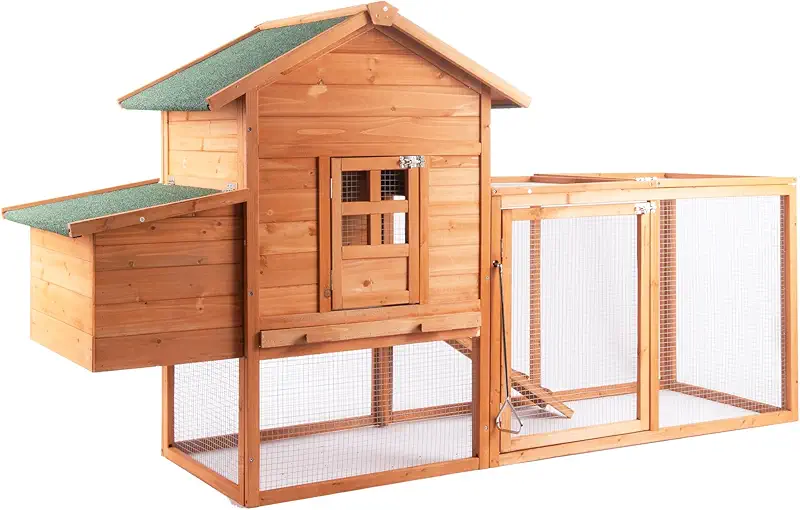
Nesting boxes, roosts, and how to keep eggs clean
Hens, like most of us, prefer a quiet, dark spot to do their business. A good free range chicken coop should give them cozy nesting boxes and sturdy roosts that feel safe and natural.
Good nesting box setup
As a farmer, I’ve tried every trick in the book to keep eggs clean and unbroken. What works best is simple:
- One nest for every 3–4 hens (they still share their favorites).
- Boxes about 12x12 inches, with a lip to keep bedding in.
- Nests lower than the roosts so they don’t sleep in them.
- Plenty of soft bedding — I use dry pine shavings or straw.
My hens always pick “the best box,” and somehow they all agree which one that is. I’ve walked in to see four birds squeezed in a single box like they were in a carpool.
Roosts that feel like a tree branch
Chickens like to sleep on a perch. Round or gently rounded roosts, about 2–3 inches wide, work well. I keep mine higher than the nests but low enough that older birds can hop up without a running start.
If your birds are sleeping in the nesting boxes, chances are the roosts are either too uncomfortable, too drafty, or not high enough. Fix that, and they usually move on their own.
Letting them range: gates, fences, and smart layouts
The coop is only half the story. The area around your free range chicken coop makes a big difference in how healthy and happy your flock will be. You don’t need a perfect pasture, but you do need a plan.
Rotate, don’t destroy
Chickens are great at turning green grass into bare dirt if they stay in one spot too long. I like to divide my yard or pasture into a few sections and move the birds from one to another. That way the grass gets a chance to grow back, and the bugs don’t know what hit them.
I’ve had spots that looked like a moonscape after a wet spring and too many birds. Learned my lesson. Now I move them before the ground starts looking tired.
Shade and cover from the sky
Hawks don’t scare me, but they sure worry my chickens. I give them hiding spots in their range area — low shrubs, small trees, maybe a simple pallet leaned on blocks. When a shadow passes overhead, they can duck and cover.
A free range chicken coop close to natural cover works best. If you’re out in the open, consider adding a few man‑made shelters between the coop and the grazing area.


Thinking like a lazy farmer (that’s me)
I try to set things up so that future‑me has an easier time. That means gates that open the right way, water close to the coop, and paths that stay mostly dry in rainy weather. If you plan the layout around how you move, carry feed, and collect eggs, your mornings will go much smoother.
Imagine walking from your back door to the coop with a bucket of feed in the snow. If the picture in your head makes you groan, maybe move that coop closer or add a better path.
Predator protection: how I learned the hard way
Every region has its own set of “night visitors.” Here, it’s raccoons, foxes, stray dogs, and the occasional owl. A free range chicken coop doesn’t mean “unprotected.” It means your birds range by day and sleep in a fortress at night.


Lock‑up routine that keeps birds safe
I close my coop every evening, just after dusk. The hens put themselves to bed (smarter than some people I know), and I just do a quick head count and latch the door. A few important details I’ve learned to check:
- Solid latches that a raccoon can’t open. They are crafty little bandits.
- No gaps larger than a finger anywhere near the floor.
- Windows and vents covered in sturdy hardware cloth, not flimsy chicken wire.
- Doors that close tight, even when the wood swells in damp weather.
The night I lost my first hen to a fox still stings. Since then, no more shortcuts on doors and fencing. A good coop doesn’t need to look like a prison, but it does need to act like one once the sun goes down.
Daily life with a free range chicken coop
Let me walk you through a normal day with my hens, so you can picture what life might look like with your own flock and coop.
Morning starts with the sound of a few impatient clucks outside the coop door. I open up, say good morning (yes, I talk to my chickens — they listen better than teenagers), and check their feed and water. Then they spill out into the yard like kids at recess.
Through the day they wander, scratch, dust‑bathe, and argue about whose turn it is at the favorite patch of dirt. I keep an eye on the sky and on any strange dogs around. When I step outside, they come trotting over to see if I brought treats. Most days, I do.
In the evening, one by one they wander back to the free range chicken coop. A few stubborn girls always wait until the last bit of light. I count them, close the door, and take a minute just to listen to the soft cooing inside. It’s a good sound. Feels like the farm is tucking itself in for the night.

Choosing the right free range chicken coop for you
There’s no single “perfect” coop. The best free range chicken coop is the one that fits your birds, your yard, your weather, and the amount of time you’re willing to spend on chores. Here’s how I help neighbors choose when they come asking.
Important questions to ask yourself
- How many hens do you honestly plan to keep in the next two years?
- Do you need to move the coop around, or will it stay put?
- Is your climate mostly mild, very cold, very hot, or very wet?
- Do you want to walk inside the coop, or is reach‑in access enough?
- How much time can you really spare for daily and weekly chores?
I tell folks to buy or build with a little extra space in mind. Chickens are like potato chips; you think you’ll keep six and somehow you end up with twelve. A coop that’s slightly bigger than you need is rarely a mistake.

FAQ about free range chicken coops
1. Do I still need a fence if my chickens are free range?
“Free range” doesn’t always mean “no fence.” On my farm, I use fencing to keep chickens out of the garden and away from the road, and to slow down predators. Even a simple fence around part of the yard helps guide where they wander. Your free range chicken coop can open into a large fenced area, and beyond that you can decide how much freedom you’re comfortable with.
2. How far from the house should I place my coop?
I like my coops close enough that I can reach them in bad weather without feeling like I’m on a hike. Close also means you’re more likely to notice trouble, like a broken latch or a sick bird. At the same time, don’t park the free range chicken coop right under your bedroom window unless you like dawn conversations with hens. A short, easy walk with a clear path is just about perfect.
3. How often should I clean a free range coop?
With free range hens that spend most of their day outside, the coop usually stays cleaner than a confined setup. I do a quick tidy once a week, scrape under the roosts, and top up bedding. Every month or so, I do a deeper clean. The key is to use your nose and your eyes: if it smells strong or looks damp, it’s time to freshen things up.
4. Can I keep different ages of chickens in the same free range coop?
You can, but do it carefully. Older hens can be rough on younger pullets if space is tight. I usually raise young birds in a separate area until they’re nearly full size, then introduce them to the free range chicken coop with plenty of room, extra feeders, and places to hide. Introduce at night so everybody wakes up together in the morning.
5. Will a free range coop reduce my feed bill?
Some. My birds eat less commercial feed in spring and summer when the grass is thick and the bugs are plentiful. But I still keep quality feed available at all times. Think of free range as a healthy side dish, not the whole meal. The real benefits are healthier birds, better‑tasting eggs, and hens that look like they’re living their best little chicken lives.