
Chicken coop sand
Chicken Coop Sand
I have raised laying hens on clay, wood shavings, straw, and plain old mud. Out of all those, using the right chicken coop sand has made my birds cleaner, my eggs nicer, and my chores a whole lot easier. Let me walk you through how sand really behaves in a coop, the mistakes to avoid, and how to tell if it is the right choice for your flock.
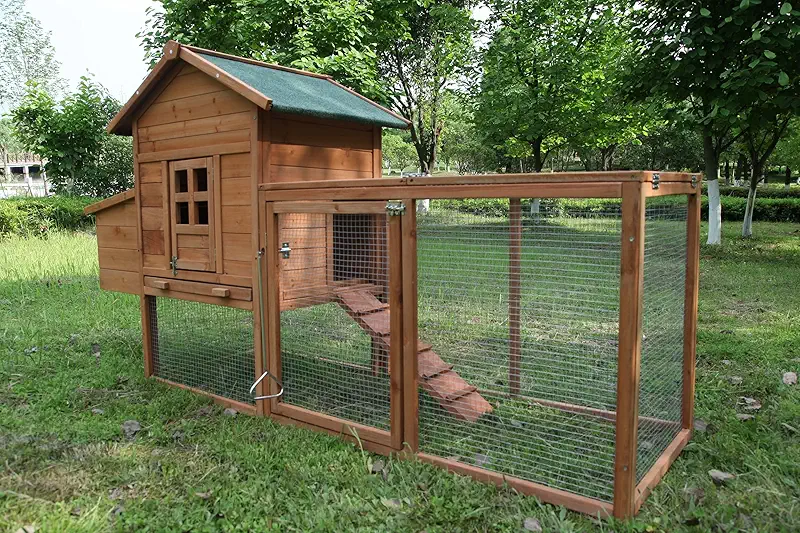
Dry, well-drained runs with the right chicken coop sand keep feet and eggs much cleaner.
Why I switched to chicken coop sand
Out here on my little patch of ground, spring means two things: hens laying like crazy and mud up to your ankles. For years my birds slogged through that mud. I used straw and shavings inside the coop, but the run stayed messy. Feet were dirty, eggs were dirty, and I spent more time scraping than smiling.
One year, after a week of solid rain, I finally had enough. A neighbor, old-timer named Bill, looked at my soggy run and said, “You are trying to farm on a sponge, boy. Give those hens a beach.” He meant chicken coop sand. I was skeptical, but I tried it on a small corner of the run first. Within a week, I knew I was not going back.
Now, before we get carried away, sand is not magic. Use the wrong kind and you will fight dust, smell, and frozen clumps in winter. Use the right kind, in the right place, and it can be a very handy tool in your coop and run.
What kind of chicken coop sand actually works
The words “chicken coop sand” can mean a lot of things when you are staring at a pile at the hardware store. I have tried most of them, usually the hard way. Here is the simple breakdown, farmer to farmer.
Good sand choices for chickens
- Washed construction sand: my favorite. Rough grains, drains well, does not pack hard.
- River sand (coarse): also good if it is coarse, not silty. Hens love scratching through it.
- Mixed particle sand: a blend with small pebbles. Chickens pick what they need for grit.
The key is coarse, gritty particles. Think tiny pebbles and sharp-edged grains, not powder. When I grab a handful, I want to feel texture, not flour. This kind of chicken coop sand drains fast and stays “stir-able” under the hens’ feet.
A coarse, gritty sand layer turns a muddy pen into a scratch-friendly surface.
How much sand do you really need?
When I first tried sand, I dumped a thin layer and thought I was done. Two storms later, the mud came right back up. After that, I learned to treat it like a real base layer.
- In the run: I aim for about 3–4 inches of chicken coop sand over a firm base.
- Under roosts inside coop: 2–3 inches is enough for easy scooping.
- Nesting boxes: I do not use straight sand there; I mix a little with shavings to keep eggs cushioned.
If your ground is soft or clay like mine, it can help to pack a bit of gravel or crushed rock first, then your sand on top. Otherwise, your sand disappears into the mud like sweet tea into dry ground.
Using chicken coop sand in the run vs inside the coop
I get asked a lot whether sand should go outside, inside, or both. The short answer: it depends on your climate and how much shoveling you like to do. I use it heavily in the run and only in certain zones inside the coop.
Sand in the run
This is where chicken coop sand shines for me. My main run is on a slight slope, and I have a roof over half of it. I spread coarse sand over the whole area and rake it out once in a while.
- Less mud: droppings dry fast on the surface, and the grit keeps feet cleaner.
- Natural dust baths: hens carve little craters and bathe themselves, which helps with mites.
- Year-round footing: even on wet days, they have a solid place to stand and scratch.
One winter after a thaw, my neighbor’s run turned into a slick, stinky mess. Mine was not perfect, but the sand areas stayed usable. My birds could still get out and stretch, and that alone kept them calmer and laying better.

Covered runs with sand let hens scratch and dust bathe even in wet weather.
Sand inside the coop
Inside the coop, I am a little pickier. Sand can work great under the roosts, but it is not my choice for deep winter bedding.
- Under roosts: I use a “droppings tray” setup with chicken coop sand. Every morning, I scoop droppings with a cat litter scoop. Takes me five minutes and keeps the whole coop fresher.
- Walkways by the door: a strip of sand right inside the door helps knock muck off feet before birds move deeper into the coop.
- Cold climates: in very cold areas, sand can feel colder underfoot than deep litter. I often layer shavings elsewhere and keep sand only where I need to scoop.
On a January night when the wind howls, I like my hens standing on a soft, insulating layer. So I mix my methods: sand where I clean daily, organic litter where I want warmth.
Health benefits and risks of chicken coop sand
Like most things on a farm, chicken coop sand has its pros and cons. Used right, it can help keep birds healthy. Used wrong, it can stir up problems.

Clean, dry sand helps protect feet and reduces messy eggs on the roosts.
Good things sand can do
- Helps prevent muddy feet: less mud means fewer dirty eggs and fewer foot issues.
- Supports digestion: coarse particles act as natural grit when birds pick through it.
- Discourages some parasites: dry sand makes life harder for many worm eggs and mites.
- Better air when managed right: dry droppings give off less ammonia than soggy litter.
I noticed my hens’ legs stayed cleaner after I started using chicken coop sand. Less caked muck around the toes, and it was easier to spot any swelling or bumblefoot early.
How I keep sand safe and clean
- Daily spot cleaning: under the roosts, I scoop droppings into a bucket almost every day. Takes a few minutes, saves a lot of smell.
- Rake and fluff: in the run, I use a garden rake once a week to break any crusts and mix in droppings so they dry.
- Add fresh sand as needed: every few months I top off low spots. Sand slowly walks away on chicken feet.
- Watch low, shady corners: if one area keeps staying damp, I either dig it out or stop using sand there and build it up with gravel first.
When the coop smells like warm feathers and feed, not ammonia, I know my chicken coop sand and cleaning habits are doing their job.
Chicken coop sand and egg production
Sand itself does not put more eggs in the basket, but the way it keeps birds comfortable can nudge things in the right direction. Hens that stay dry, breathe easy, and have clean places to scratch tend to lay more steadily.
Cleaner eggs, less breakage
When my run was a swamp, hens tracked mud into the coop and straight into the nest boxes. I spent too much time wiping eggs, and a few cracked while cleaning. After I shifted to chicken coop sand in the high-traffic areas, most eggs came out of the nest almost spotless.
Clean eggs mean less chance of bacteria getting through the shell. I still keep nest boxes lined with softer material, but the sand outside keeps most of the mess off the eggs before they get there.

Good footing and clean runs support steady laying and tidy nest boxes.
Comfort, stress, and laying hens
Chickens are simple creatures, but they are picky about comfort. They like dry ground, room to scratch, and a safe place to dust bathe. When those needs are met, the whole flock settles down. Less squabbling at the feeder, less pacing at the fence.
I remember one summer stretch when a storm rolled through every afternoon. My neighbor’s run turned into a pond, and his hens started laying fewer eggs within a week. My run, covered and thick with chicken coop sand, stayed mostly dry. My girls kept right on laying. That was the year I stopped thinking of sand as a luxury and started calling it one of my regular tools.
Practical tips for setting up chicken coop sand
If you are thinking about using chicken coop sand for the first time, start small. There is no rule that says you have to cover everything on day one. Test a corner of the run or a strip under the roost and see how it behaves in your climate.
Step-by-step in the run
- Pick a high spot: choose the driest, best-drained part of your run first.
- Scrape it level: remove thick mud, big rocks, or old bedding.
- Optional base: if the ground is very soft, add an inch of gravel or crushed rock.
- Add 3–4 inches of sand: spread it evenly, then let the hens do the mixing.
- Watch it for two weeks: pay attention after rain. Adjust depth where needed.

Start with a test area so you can see how sand behaves with your soil and weather.
Sand care in different seasons
In wet seasons: keep an eye on low spots. If water pools, shift sand elsewhere or build the area up. A simple roof over part of the run makes chicken coop sand work twice as well.
In summer heat: I like to mist a corner of the sand lightly on the hottest days. The birds dig in, cool off their bellies, and look like they are at the beach on vacation.
In winter: in my climate, sand firms up in hard freezes but stays usable. I still give the flock a deeper bedding area elsewhere for warmth. The sand zone stays as the “bathroom” and scratch yard.
Choosing chicken coop sand setups and accessories
These days there are plenty of ready-made coops, runs, and accessories that work well with chicken coop sand. Some have wire floors, some have trays under the roosts, some have covered runs, and some are simple open pens.

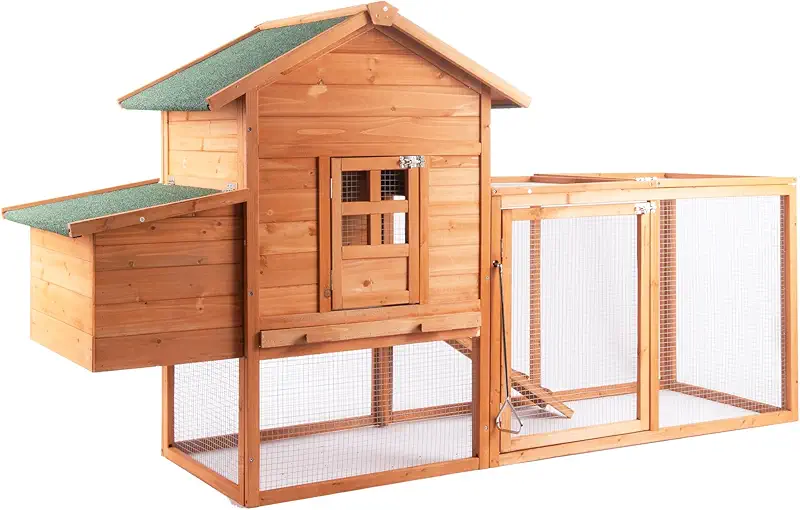
Different coop styles handle sand differently. Covered runs and pull-out trays make cleaning easier.
What I look for in sand-friendly setups
- Raised floors or good drainage: so sand does not sit in a puddle.
- Easy access: big doors or removable panels for raking and scooping sand.
- Sturdy framing: sand is heavy, so flimsy floors can sag over time.
- Covered zones: a roofed part of the run makes chicken coop sand more effective and longer lasting.
I like to think of the coop and run as the “frame,” and the sand as part of the “furniture.” When the frame is solid and easy to reach, keeping that sand clean is a simple, steady chore, not a weekend project that breaks your back.
There are many different layouts and sizes out there, from small backyard set‑ups to bigger walk‑in coops with long runs. Some folks like pull-out trays under roosts filled with chicken coop sand, others prefer sand only in the run. Your best choice will match your space, weather, and how many steps you want to take on chore day.

Walk-in coops and runs with sand floors are easier on the back when it is time to clean.
Chicken coop sand – common questions
Yes, when you use the right type. Coarse, washed construction or river sand is considered safe for adult hens in runs and under roosts. It even gives them natural grit as they pick through it. Just avoid very fine, dusty sand and keep the area well ventilated, so no one is breathing in clouds of particles all day.
I do not recommend it. Most play sand is very fine. It tends to pack down, hold moisture, and kick up more dust. I tried it once in a small section, and my boots left prints like I was walking on talc. The hens did not seem too pleased either. Coarser chicken coop sand drains better and stays more comfortable under their feet.
I treat sand more like a long-term base than like weekly bedding. I scoop droppings regularly and rake it now and then. A few times a year, I remove the worst dirty patches and top off with fresh sand. In my main run, I can go a year or more before doing a big clean-out, depending on how many birds I have and how wet the season is.
Sand can feel cold under bare feet, especially in harsh winters. That is why I use it mainly under roosts and in the run for drainage, and rely on deeper, fluffy bedding in resting areas for extra warmth. Chickens handle cool sand fine when they have a cozy, well-bedded spot to sleep at night. It is all about giving them choices.
Sand helps a lot because it dries droppings faster, but it will not do the work by itself. You still need to scoop droppings, keep feed dry, and watch for wet spots. On my place, regular cleaning with chicken coop sand cuts the smell way down and makes flies less interested, but I still walk the coop and run daily to stay ahead of problems.
If you are ready to give your flock a drier, easier-to-clean home, looking through different coop and run styles can help you picture how chicken coop sand would fit into your own backyard.
Show me every coop