
Chicken coop perches
Chicken Coop Perches: how I learned to keep my hens calm, dry, and laying strong eggs.
After a few muddy winters, a couple of frozen combs, and one angry rooster, I finally figured out what makes good perches. Let me spare you the same mistakes.
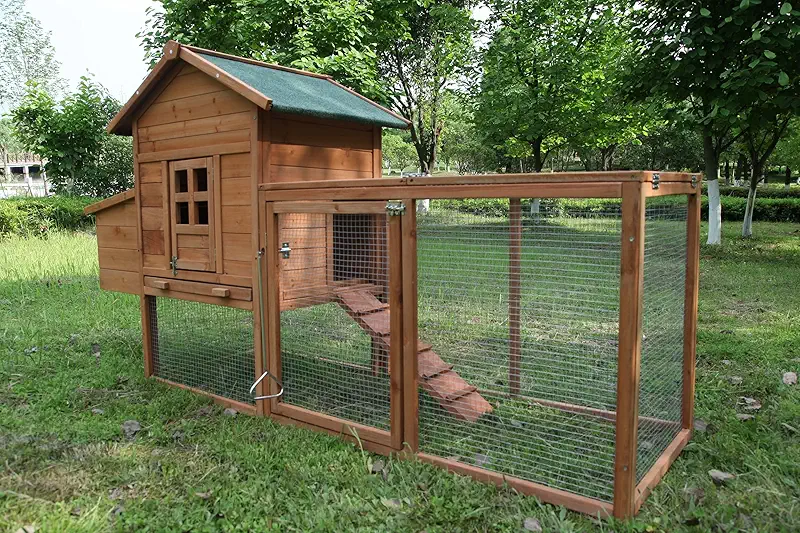
Why chicken coop perches matter more than folks think
Out here on my little patch of dirt, I’ve learned that chickens don’t ask for much. Dry feet, steady food, and a safe place to sleep. Chicken coop perches sit right in the middle of that last part. When the perches are right, the whole flock settles down. When they’re wrong, you get squabbles, dirty eggs, cold birds, and more than a little drama at bedtime.
Chickens are jungle birds at heart. They like to sleep up off the ground where they feel safe. In the early days, I figured a couple of boards nailed in the coop would be “good enough.” Well, my hens voted against that with their feet. They roosted on the nest boxes, on the feeder, on the window ledge—anywhere but my poor excuse for perches.
Once I started paying attention to their behavior, I realized the perches were too smooth, too narrow, and at the wrong height. They were telling me, in their own clucky way, “Nice try, farmer, but we’re not sleeping there.” When I fixed the design, the change was immediate. Bedtime got quiet, eggs got cleaner, and my boss hen Wilma stopped yelling at everyone for a spot.
If I had to sum it up in one line: good chicken coop perches mean warm feet, clean eggs, calm birds, and fewer problems for you.
The basics of a good chicken perch
There’s a lot of fancy talk online, but the basics are simple. When I size and place perches, I think about these four things: width, height, material, and number of birds.
1. Width and shape: what feels right to a chicken
Your birds don’t want to grip a skinny dowel like a songbird on a twig. They like to sit with their feet mostly flat so they can cover their toes with feathers on cold nights. That keeps the frostbite away, which is a lot nicer than rubbing ointment on sore toes in January.
- Ideal width: about 1.5" to 2" on top for standard breeds.
- Shape: a flat top edge with slightly rounded corners works best.
- Avoid: smooth round dowels and metal pipes. Too slick in summer, too cold in winter.
2. Height: high enough, not crazy high
Chickens like to be up, but they still need to get there without breaking anything. I learned the hard way after my old hen Mabel sprained a leg trying to fly off an over‑ambitious perch.
- Standard height: 18–36 inches off the coop floor works for most birds.
- Heavy breeds: keep it closer to 18–24 inches to protect their legs.
- Use steps: staggered perches or a little “ladder” help older or heavy hens.
3. Length and space per bird
Chickens like to cuddle at bedtime, but there’s a line between cozy and cranky. If they don’t have enough room, the lower hens get pushed off, poop gets spread around, and the squawking starts.
- Space per hen: about 8–10 inches for standards, 10–12 for big breeds.
- My simple rule: take your flock size and multiply by 10 inches. That’s how much total perch you want.
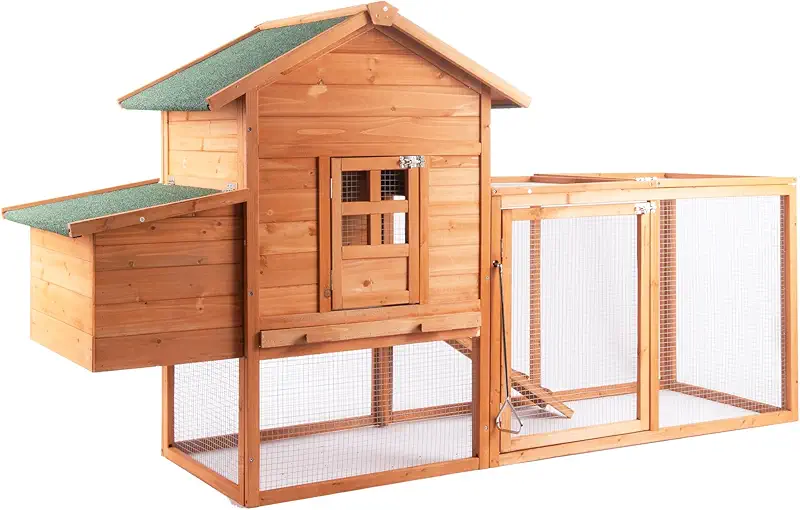
Farmer’s quick check: go out after dark with a flashlight. If everyone’s on the perches, facing the same way, with a bit of elbow room and nobody on the nest boxes, your setup is doing its job.
Materials I trust for chicken coop perches
Over the years I’ve tried all sorts of things for chicken coop perches: scraps of lumber, closet rods, metal pipes, you name it. Some worked fine, some were disasters. Here’s what’s stood the test of time out here on my farm.
Plain wood boards (my go‑to choice)
Most of my perches are made from simple wooden boards dressed up just a bit. A 2x2 with the corners rounded, or a 2x4 turned on edge for bigger birds, has worked better for me than anything fancy. Wood has a bit of “give” and doesn’t suck the heat out of their feet in winter.
I sand the sharp edges so there are no splinters, but I leave just enough roughness so their claws get a grip. Chickens don’t need polished furniture—they’re just looking for something solid and safe.
What I avoid now
- Metal pipe: too cold in winter, too slick if it gets wet, and it collects condensation.
- Skinny dowels: fine for parakeets, not fine for hens. They tire their feet and can cause pressure sores.
- Plastic: flexes, gets slippery when dusty, and some plastics crack in the cold.

Ready-made chicken coop perches and kits
These days, there are lots of ready-made perch systems and chicken coop setups that come with the roosts thought out for you. Years back, I would have turned my nose up and said, “I’ll just build it myself.” Now, after a long day fixing fences and chasing goats, the idea of a pre‑built system doesn’t sound so bad.
If you go that route, I look for three things:
- Perches wide enough for flat feet.
- Strong hardware that won’t wobble after a season.
- A layout that keeps birds from pooping on each other or on the nest boxes.
Where to place chicken coop perches inside the coop
Perch placement is where a lot of folks trip up. I sure did. My first coop had perches right over the nesting area. Looked tidy on paper. In reality, the hens used the nest boxes as toilets. That’ll teach a man to respect gravity.

Keep perches higher than nest boxes
Chickens will always choose the highest comfortable spot to sleep. If the nest boxes are higher than, or level with, the perches, they’ll sleep and poop in them. That leads to dirty eggs and grumpy mornings for you.
- Set perches at least 6–12 inches higher than the nest box tops.
- Keep some space between the perch area and the nesting area.
Stagger, don’t stack straight
Another lesson I learned the hard way: if you stack perches directly over each other, the top row poops on the bottom row. Hens don’t appreciate that one bit. I build mine in a stair-step pattern now.
- Stagger perches so birds are not directly above each other.
- Give at least 12 inches of vertical space between levels.
Leave room to land and launch
Think of your perches like airport runways. Birds need space to hop up and glide down without crashing into walls, feeders, or your kneecaps.
- Keep a clear “flight path” in front of the perches.
- Don’t put feeders, waterers, or sharp corners right where they jump down.
Cleaning and maintaining chicken coop perches
Chicken coop perches are right under your flock every night, so they collect a lot: droppings, mites, dust, you name it. If you stay ahead of it, the work is light. If you ignore them, well, let’s just say you’ll spend your weekend scraping instead of fishing.

My simple perch routine
- Quick scrape: once or twice a week, I use a wide putty knife to scrape droppings into a tray or onto bedding.
- Visual check: I look for cracks, soft spots, or loose screws while I’m there.
- Deeper clean: every month or two, I wipe down perches with a mild, coop-safe cleaner.
Keeping mites and bugs away
Perches are one of the first places red mites like to hang out. If your hens start avoiding the roosts or seem restless at night, get out a flashlight and take a close look.
I dust around the ends of my perches with a little coop-safe powder and keep wood sealed or painted with bird-safe coatings. Nothing fancy, just regular checks and a bit of common sense.
Farmer tip: removable or swing-down chicken coop perches make cleaning a whole lot easier. The first time I flipped a perch out of the way instead of climbing under it, I wondered why I’d been crawling around like a groundhog for years.
Perches for different types of chickens
Not every flock is the same. I’ve had big old Brahmas, flighty Leghorns, fluffy Silkies, and a few mystery birds that just showed up one day and decided they lived here. Each one treats chicken coop perches a little differently.

Heavy and large breeds
Big birds don’t like big jumps. For them, I keep perches lower and wider. A 2x4 with the wide side up gives them lots of support. They’ll still hop up happily, but they won’t slam their joints every night.
Light and flighty breeds
My lighter girls, like Leghorns and some mixed-breed egg machines, love higher perches. They’ll flap right up to 4 feet or more. For those, I give a “ladder” style setup: a few steps higher and higher, so everyone has a level they like.
Young birds and mixed-age flocks
Integration time is when chicken politics gets loud. Young pullets may not dare climb up next to the old boss hen at first. I add extra lower perches when I’m mixing ages, so the new kids can roost without getting bullied off the top rail.
Common perch mistakes I’ve made (so you don’t have to)
I’ve been raising hens long enough to have made just about every mistake in the book. If you’re new to chicken coop perches, maybe my missteps will save you a sore back and a few angry clucks.

- Perches too close to walls. Birds would smack their tails or rub their feathers. Now I keep at least 10 inches between perch and wall.
- Not enough head room. A tall rooster needs space above his comb. I make sure there’s at least a foot of air above the highest bird.
- Ignoring the pecking order. I once put just one long perch in, thinking I was clever. The top hens hogged the center, and the low girls had to shuffle from one end to the other. Now I break perches into sections so the lower birds can claim their own space.
- Forgetting about winter. A perch that seems fine in summer might be drafty in winter. I check for cold air blowing right across where the birds sit and adjust vents or perch position.
- Building them permanent and awkward. My first coop had perches I practically had to crawl under to clean. These days, I favor swing-up, slide-out, or easily removable setups.
How perches affect egg production and flock mood
I can’t promise you that perfect chicken coop perches will double your egg basket, but I will say this: a well-rested hen is a better layer. Birds that sleep comfortably at night are calmer in the day, and calm birds eat well and lay steady.

When my perch setup was a mess, every evening sounded like a bar fight. There was shoving, pecking, and a lot of complaining. The lower-ranking hens were always on edge, and I noticed they were the ones missing from the nest boxes later on.
Once I gave them enough perch space, with several levels and no traffic jams, the whole flock relaxed. Lights-out time became just a gentle murmur of quiet clucks. That kind of calm shows up in the egg basket.
So while perches might look like just a few boards in a coop, they set the tone for your birds’ nights—and that echoes through every day after.
FAQ about chicken coop perches
For most backyard flocks, 18–36 inches off the floor works well. Big heavy breeds do better on the lower side so they don’t bang up their legs jumping down. Lighter, more agile birds enjoy perches on the higher side, as long as they have a safe way up and down. Just make sure your perches are higher than your nest boxes so hens don’t sleep where they’re supposed to lay.
I aim for a flat surface about 1.5–2 inches wide for standard hens, with rounded edges. A turned-on-edge 2x4 works very well, especially in colder climates, because birds can sit with their feet flat and cover their toes with feathers. Avoid skinny round dowels and metal pipes—they’re hard on feet and uncomfortable in cold or damp weather.
They do. Roosting up off the ground is natural for chickens. It helps them feel safe from predators, keeps them drier, and keeps that nighttime moisture away from their bodies. Birds left to sleep on the floor tend to get dirtier, more crowded, and more stressed. Good chicken coop perches give them a spot that feels right and lets you manage the mess a whole lot easier.
They’re usually telling you something’s off. Either the perches are too low, too narrow, too drafty, or hard to reach. Sometimes mites or other pests on the roosts drive them away. Make sure the perches are higher than the nest boxes, easy to hop up to, and comfortable underfoot. Once everything feels right, most hens will move to the perches on their own, especially if you gently place them there for a few nights at dusk.
A simple rule is to give each hen about 8–10 inches of perch space. So for ten average hens, about eight to ten feet of total roosting space spreads out nicely. I’d rather build a little extra than not enough—crowded birds pick on each other and push the lower girls to the floor. Multiple perches at similar heights help the flock share without so many arguments.
If you’d like to see different coop setups and perch ideas that match what we’ve been talking about, you can look over some ready-made options I’d be comfortable using in my own yard.
Let me browse coops