
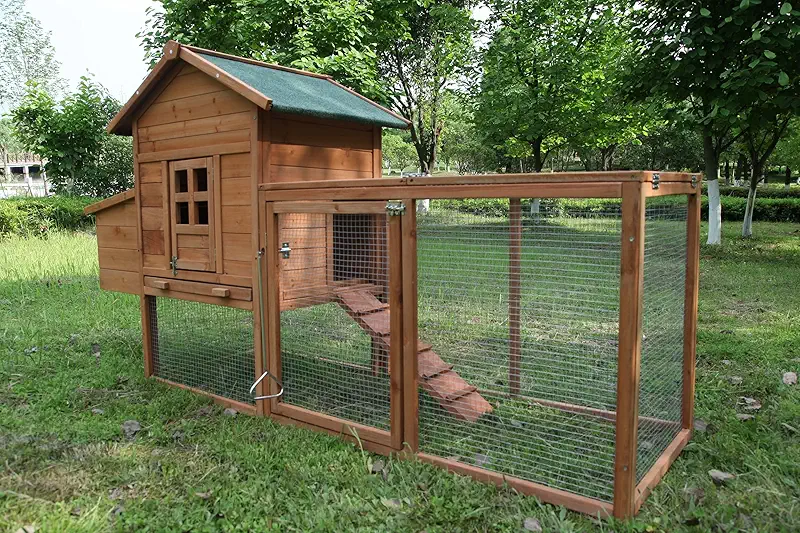
Buying a chicken coop online like an old farm hand
When I first ordered a chicken coop online, my neighbors laughed. One of them yelled across the fence, “So, you’re getting your barn from the internet now?” A week later he was over in my yard, tape measure in hand, checking out that coop and asking for the link.
Times change. We used to build every coop from old barn boards and rusty nails. Now you can choose from dozens of ready-made coops without leaving your kitchen table. That is powerful, but it can also be confusing. Pictures look nice, descriptions sound perfect, and then the box shows up and it feels lighter than a bag of feed. That is when you know you are in trouble.
I am going to talk to you like I would to a neighbor standing in my driveway. We will look at how to choose a chicken coop online that keeps hens safe, dry, and laying strong. No fancy words. Just the kind of advice you get over coffee at the farm table.
How many hens, how much space?
The first mistake folks make when they shop chicken coop online is going too small. Sellers love to say “up to 8 chickens” on a coop that I would not put more than 4 in. Hens need room like you need fresh air. Cram them in and you get pecking, stress, broken eggs, and a smell that will send guests back to their car.
As a rule of thumb from my own yards:
- Inside the coop: I aim for at least 4 square feet per hen.
- Outside run: 8–10 square feet per hen is comfortable.
- Roost space: about 8–10 inches of roost bar per hen.
If you see a small, cute little house online claiming it fits 6–8 chickens, take that number and cut it in half. Your hens and your nose will thank you. I would rather have a coop that looks a bit oversized than a coop that turns into a feathered subway car.
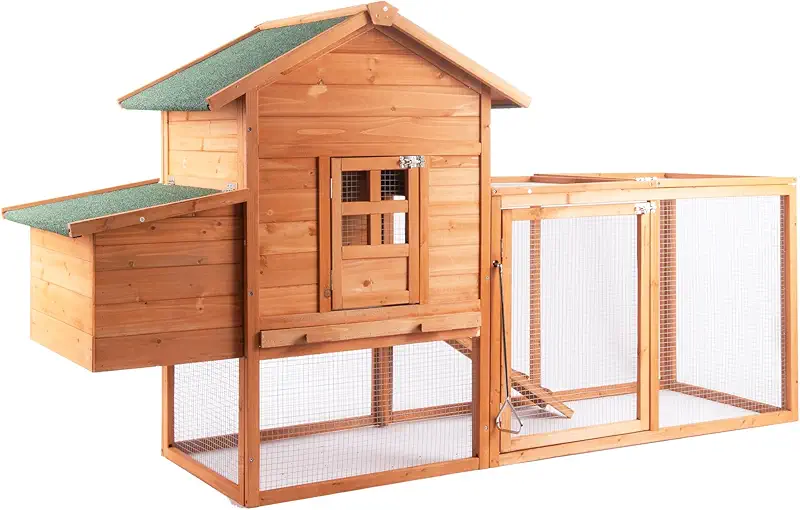
Roomy coop and run – more space, fewer problems.
Thinking ahead (because chickens multiply)
The other thing new folks forget is that chickens are like potato chips – you rarely stop at one handful. Today you want 4 hens, next spring you “just add a few colored egg layers,” and by the third year you are talking about hatching chicks with the kids.
When you are scrolling through chicken coop online options, picture next year, not just this year. If your gut says, “Maybe we will want more hens later,” listen to it. Get the next size up, or a design that is easy to expand with an extra run or a second house.
Wood, metal, plastic – what really holds up?
I have coops made from all three: old-school wood, metal sheds turned into coops, and some of these newer plastic-style houses. Each one has its own personality, just like my hens.
Wooden coops
Wood looks nice, feels traditional, and is easy to modify. But when you buy a wooden chicken coop online, pay close attention to what kind of wood and how thick it is.
- Thin, light wood: if the box feels too light when it arrives, chances are the walls are thin as cereal boxes. Those crack, warp, and rot fast in real weather.
- Treated vs. untreated: I like the frame treated and the inside surfaces painted or sealed with something hen-safe to help fight moisture.
- Roof quality: a solid roof with shingles or metal is worth its weight in golden yolks.

Sturdy wood and a solid roof keep hens dry and calm.
Metal and plastic coops
Metal and plastic are like the “wash-and-wear” of coops. Easy to clean, less likely to rot, and mites do not love them as much as rough wood. But they still need a good design.
Metal can get hot in full sun, like a little chicken toaster, so shade is important. Plastic can be great in wet climates, but it still needs strong locks and a safe run. When you look at chicken coop online designs, imagine a raccoon or fox testing every weak spot. If you see a flimsy latch in the photos, believe your eyes.
Ventilation: the quiet hero of a good coop
Folks worry a lot about cold, but for hens, bad air is often worse than low temperature. Chickens breathe out moisture, and their droppings release ammonia. Without fresh air moving through, that stuff sits around inside the coop and burns their lungs and eyes.
When you scroll chicken coop online listings, study the pictures for vents and windows. You want:
- Vents up high so warm, moist air can escape.
- Windows you can open in summer and close most of the way in winter.
- All openings covered with 1/2-inch hardware cloth, not just chicken wire.
My best winters have been with well-ventilated coops. Dry air, clean bedding, and the hens handle cold far better than most people expect. Wet, stale air? That is when frostbite and sickness start sneaking in.

Good windows and vents keep the air fresh, even in winter.
Nest boxes and roosts: where the magic happens
A lot of “cute” coops online mess up the most basic things: egg boxes and sleeping bars. A hen wants a quiet, dark, cozy spot to lay, and a solid, comfortable bar to sleep on up off the ground. Give her that and she pays you back in breakfast.
Good nest box design
- About 1 box for every 3–4 hens is enough.
- Boxes lower than the roosts so hens sleep on the bar, not in the nest.
- Overhanging lid to keep rain out, and easy outside access for you.
I like adding a little lip on the front of the nest box so bedding and eggs stay put. Nothing like opening a box and having your breakfast roll right into the mud.
Roost bars done right
Hens do not enjoy standing on sharp edges all night. A rounded 2x4 board, wide side up, works beautifully. In cold regions, that lets them tuck their toes under their feathers and stay toasty.

Simple roost bars and nest boxes make hens feel at home.
Predator proofing: think like a fox, lock like a farmer
Out here, we say everything loves chicken: foxes, raccoons, hawks, dogs, even the neighbor’s cat if it gets brave enough. When you choose a chicken coop online, you are really choosing how big of a fight you want to have with the local wildlife.
Look for:
- Strong wire: hardware cloth, not light chicken wire. Chicken wire keeps chickens in, but does not keep hungry things out.
- Solid latches: I like ones you can lock or at least clip. Raccoons have nimble little hands and too much time.
- Secure floor or anti-dig skirt: either a solid floor or wire buried or flared out around the edges.

Sturdy wire and snug doors turn a cute coop into a safe coop.
Things I always check before I click
When I am helping friends pick a chicken coop online, we go through the same little checklist together. It saves a lot of headaches, returns, and grumbling.
- Actual measurements in feet, not just “for 6–8 hens.”
- Weight of the coop when shipped – heavier usually means sturdier.
- Photos of the underside, doors, hinges, roof edges, and run connections.
- How the coop cleans out – removable tray, big doors, walk-in, etc.
- Whether the roof leaks (reviews will always mention that if it does).
I also think about where it will sit in my yard: near the house or away from it, in shade or sun, close to a hose, and where the snow drifts. I made that mistake once, putting a coop right where the snow piles up off the barn roof. Spent most of January shoveling my way to the eggs.

Think about shade, wind, and easy access before you set your coop down.
Daily life with laying hens in a ready-made coop
Let me paint you a morning from my place. Sun is just climbing over the trees, coffee is barely kicking in, and I walk out to the coop. The hens hear the latch and start their little chorus. I open the door, they spill into the run, and that first quiet moment tells me if I did the coop right.
If the birds flow out calm, feathers smooth, no squabbling at the door, then I know they have enough room and good roosts. If I smell fresh straw more than anything else, I know the ventilation is working. If the nest boxes hold clean eggs with no cracks, then those boxes are doing their job.
That is what you are really shopping for when you look at chicken coop online options: peaceful mornings and steady eggs, year after year.

A calm flock and dry bedding – signs your coop choice was a good one.
FAQ about choosing a chicken coop online
1. How many chickens can I really keep in those small online coops?
Ignore the big numbers on the box. Many small “up to 8 chickens” coops are comfortable for about 3–4 hens at most, especially if winters are long and they stay inside more. Use around 4 square feet per hen inside and you will be on the safe side. Crowding birds is asking for pecking, sickness, and cranky neighbors.
2. Is a cheap chicken coop online good enough for starters?
It can be, if you know what you are getting into. A budget coop is often a fine place to start a small backyard flock, but expect to reinforce it: extra screws, better latches, maybe some hardware cloth over weak spots. Think of the cheaper coops as a “kit” that you finish the farm way.
3. Do I need a floor in my coop or can it sit on dirt?
I have run both styles. A raised coop with a floor is easier to keep dry and clean, and predators have a harder time digging in. A dirt floor can work if you use deep litter and proper wire around the base, but it takes more management. For most folks buying a chicken coop online, a floored design is the simpler, safer choice.
4. What is the best bedding for laying hens?
I use clean, dry pine shavings on the floor and straw in the nest boxes. Shavings soak up moisture and are easy to rake out. Straw makes a cozy cradle for eggs. Avoid dusty or moldy material – that is rough on chicken lungs. Whatever you use, keep it dry and change it before the smell walks to the house ahead of you.
5. How often should I clean a ready-made coop?
I do a quick clean every week – scrape droppings under the roost, fluff the bedding, and freshen the nest boxes. Then a deeper clean once a month or so, depending on flock size and weather. Coops bought online can be easy to clean if they have big doors and removable trays. The easier it is, the more likely you are to keep up with it, and your hens will show their thanks in eggs.
Some of the links on this page are affiliate links. That means if you follow them and later decide to get a coop, I may receive a small commission, at no extra cost to you. It helps keep feed in the bins and coffee in my cup while I keep sharing farm-tested advice.
When you are ready to look around, take your time, trust your gut, and picture those quiet mornings with your own flock scratching in the yard.
Let me browse coops