
Chicken coop on sale
I have been raising laying hens in the U.S. for more than three decades. When I hear someone whisper “chicken coop on sale”, I do not think about flashy ads. I think about dry floors, safe nights, easy egg collecting, and a coop that does not fall apart after one hard winter.
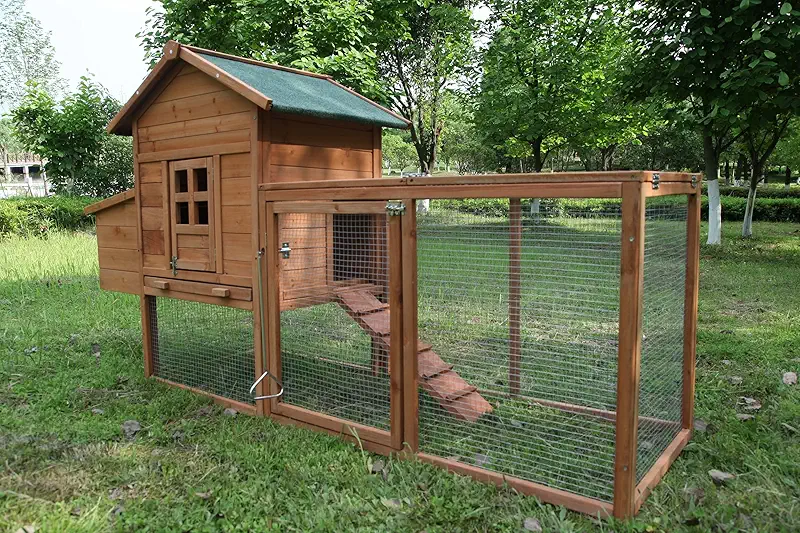
What “Chicken Coop on Sale” Really Means on a Working Farm
Out here, a real bargain is not just a low price. A real bargain is something that keeps your birds alive, your eggs clean, and your morning chores short. When I look for a chicken coop on sale, I ask one simple question: “Will I be glad I bought this when it is ten degrees, the wind is angry, and I am out there in my boots before sunrise?”
I have seen plenty of coops that looked cute in pictures but twisted like wet cardboard after the first storm. I have also seen modest little coops that just quietly did their job for years. The difference is not luck. It is size, layout, airflow, and how the coop fits your climate and your birds.
As you look through any chicken coop on sale, online or in a catalog, keep one picture in your mind: your hens on a cold, wet night. If you can imagine them dry, off the ground, safe from wind and predators, and you can still see yourself reaching in easily for eggs, then you are on the right track.
How Many Chickens Fit in One Coop?
You will hear all sorts of numbers thrown around, but let us talk about what actually works. Inside the coop, I like to give my laying hens at least 4 square feet each. That means a 4x6 coop (24 square feet) is comfortable for about 5 or 6 hens. Sure, you can squeeze more in there, but crowded birds get cranky, pick feathers, and lay fewer eggs.
Outside, in the run, I try to give at least 8 to 10 square feet per bird. If they also free-range during the day, you can get by with a smaller run, but space is your best friend when it comes to calm, steady egg layers.
When you see a chicken coop on sale claiming it holds “6 to 10 chickens”, do a quick bit of math. Check the actual floor size, not just the marketing number. I always say, “Plan for the birds you will have next year, not just the ones you have today,” because chicken math is real. Somehow there is always “room for just two more pullets”.
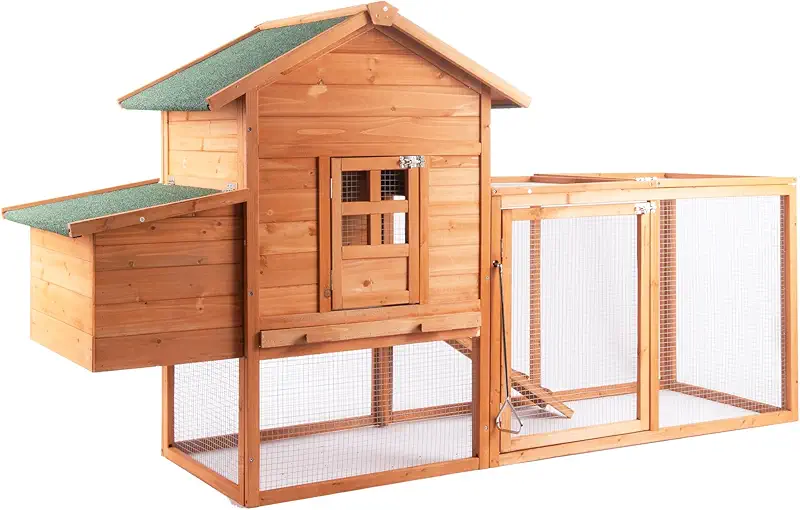
If a coop description only says “fits 6 hens” but does not list floor measurements, pretend you did not see it. A tape measure tells the truth better than any sales copy.
Four Things I Always Check Before Grabbing a Coop on Sale
When a friend asks me to look over a chicken coop on sale, I do not start with the color or the cute little window. I start with the parts that will make daily chores easy or miserable for the next five years.
1. Access for You, Not Just for the Chickens
I am not a small fella, and I have crawled into enough tiny coops to know better now. Make sure you can reach every corner without doing a yoga pose you will regret. Hinged roofs, big side doors, and large clean-out openings are worth their weight in eggs.
- Can you reach all nesting boxes from outside?
- Is there a door big enough to rake out bedding easily?
- Can you grab a sick hen without chasing her in circles?
2. Ventilation Without Drafts
Chickens breathe out a lot of moisture, and that moisture has to go somewhere. If it stays in the coop, you get frostbite in winter and a funky smell in summer. Look for vents high up near the roof, not level with the roosts. Fresh air should slip out the top, not blow across the birds’ backs.
When I see a chicken coop on sale with small windows and no roof vents, I picture damp bedding and coughy birds. That is not worth any discount. Good airflow is cheap insurance.
3. Predator Protection
Every predator on my farm seems to have a PhD in breaking and entering. Raccoons can open weak latches, foxes can squeeze under gaps, and rats will chew through thin boards like it is breakfast.
I look for solid wood, strong hardware cloth on windows and runs (not flimsy chicken wire), and locks that need more than a curious paw to open. If the hardware looks like it belongs on a toy box, I keep scrolling, no matter how good the price looks.
4. Roof, Floor, and Rain
Rain is relentless. A cheap, flat roof on a chicken coop on sale might work in the desert, but for the rest of us, a good slope and solid covering matters. Water wants to get into every crack. Once the floor gets wet, the smell follows fast.
I prefer raised coops with floors a bit off the ground. It keeps things drier, gives the birds shade underneath, and makes it harder for critters to dig in.


My Favorite Layouts for Laying Hens
I have tried just about every setup over the years: converted sheds, fancy store-bought coops, and one memorable disaster made from an old camper shell. The hens did not complain, but my wife sure did when she saw it in the yard.
When you look at any chicken coop on sale, think in terms of zones: sleeping, laying, eating, and playing.
Sleeping: The Roost Area
Hens like to sleep off the ground on sturdy poles or bars. I give mine about 8 to 10 inches of roost space each. They will pile together in winter, but it is nice when everyone has room to shuffle around.
Roosts should be higher than the nesting boxes. If the boxes are higher, the birds will sleep in them and turn your tidy nests into messy little toilets. I learned that the hard way more than once.
Laying: Nesting Boxes
You do not need a box per hen. For a small backyard flock, one box for every 3 to 4 hens usually works fine. They will probably all pick the same favorite box anyway. Hens are funny that way. It is like they pass around a secret note: “Use this one. Ignore the other five.”
When I am eyeing a chicken coop on sale, outside-access nesting boxes get extra points from me. Being able to open a lid and gather eggs without stepping into the coop makes morning chores a pleasure.
Eating and Drinking: Space and Height
Feeders and waterers should be low enough for the birds but high enough to keep bedding out. I hang mine so the lip is about level with the hens’ backs. In a small coop, I like to keep feed inside and water outside in the run, so I am not dealing with soggy litter from spilled water.
Playing: The Run and the Yard
A chicken run should be more than just a prison yard. Put in some perches, maybe an old stump, and hang a cabbage now and then. Busy birds are happy birds, and happy birds lay steady eggs.
If you see a chicken coop on sale with a run attached, picture where the sun and shade will be in your yard. Birds love a bit of morning sun but appreciate shade in the afternoon.
Keeping Hens Comfortable Through the Seasons
Weather is the real test of any coop. A mild spring day makes even a rickety little shack look fine. The truth shows up in a January ice storm or an August heat wave.
Winter Care for Laying Hens
Chickens handle cold better than damp. I do not worry about heating the coop much, but I worry a lot about drafts at roost height and moisture build-up. Deep, dry bedding and steady ventilation are my winter tools.
If you live where winters bite hard, and you are browsing a chicken coop on sale, look for a sturdy structure you can easily wrap or shield on the windiest sides. Since good vents are up high, you can block low drafts while letting moisture escape.
Summer Heat and Shade
Hot weather can be harder on hens than cold. In summer I open everything that can safely open, and I make sure there is plenty of shade over at least part of the run. I have put up old tarps, pieces of tin, and even an old bedsheet one year when I was in a pinch.
A coop with a metal roof heats up fast in direct sun, so I like either a lighter color or enough shade trees around it. If your yard is bare and you see a chicken coop on sale with a dark roof, keep in mind you might need extra shade cloth or a simple lean-to.

My Simple Cleaning Routine
A clean coop does not have to mean hours of work. I give my coops a quick tidy every couple of days and a deeper clean when the bedding starts to pack down.
Here is how I judge it: if I can kneel down inside and it smells like a forest floor instead of a bus station, we are in good shape.
- Daily: quick look for wet spots and leaks.
- Weekly: top up bedding, scrape under roosts.
- Seasonal: full clean-out, check hardware, tighten screws.
When I look at any chicken coop on sale, I imagine doing this routine. If I cannot picture myself raking, scraping, and adding bedding without a lot of cussing, that coop is not for me.
Little Mistakes New Chicken Keepers Make (and How to Avoid Them)
I love seeing folks get their first hens. I also hate seeing the same avoidable headaches. If you are just getting started and scrolling through every chicken coop on sale you can find, let this old farmer save you a few stumbles.
Starting Too Small
Nearly everyone I know who keeps chickens ends up wanting more birds. It starts with “I just want four hens” and next thing you know, you are explaining to your neighbor why there are twelve.
If your budget allows, pick a coop that is a size up from what you think you need. It gives your hens breathing room and leaves the door open for a couple of new pullets down the road.
Ignoring the Ground Under the Coop
A solid coop sitting in a muddy low spot will still leave you with wet feet and grumpy birds. Before you commit to any chicken coop on sale, walk your yard after a heavy rain. Look for the high, dry spots. That is where your coop belongs.
Not Thinking About Your Path
It sounds funny, but one of the smartest things you can do is think about your path from the back door to the coop. You will be walking that path in the dark, through snow, in the rain, and on tired days.
Put your coop where the wind is kind and the path can stay mostly dry. A few extra steps in good weather feel fine. In bad weather, every extra step feels like a mile.


My first coop door opened inward. When the bedding piled up, it would not open at all. There I was, shoving and muttering with a bucket of feed in my hands. Now I always check how doors swing when I see a chicken coop on sale. Outward or sliding doors make life a lot easier.