Farmer tip: test with your hand
Grab the roost like a hen would. If your hand doesn’t feel stable or if edges dig into your palm, hens won’t love it either. Comfort here shows up in calmer nights and better rest.

Chicken Coop Must Haves – what your hens truly need, from a farmer who’s cleaned more coops than he cares to count.
Out here on the farm, I’ve learned a simple truth: good eggs start with a good coop. Not the prettiest coop, not the trendiest coop – the one that keeps hens calm, dry, and safe when the wind howls and the rain comes sideways.
I’ve built coops from scrap wood, bought shiny new ones, and patched more mistakes than I’ll admit in public. Over the years, I’ve boiled it down to a short list of real chicken coop must haves. If a coop passes this list, my hens lay steady and sleep quiet. If it doesn’t, I hear about it at sunrise.
On this page I’ll walk you through the non‑negotiables: space, safety, roosts, nesting boxes, ventilation, floors, doors, and all the small details that make day‑to‑day chores easier. I’ll share what’s worked on my US farm, what’s failed, and a few things I wish someone had told me before my first hen escaped under the neighbor’s truck.
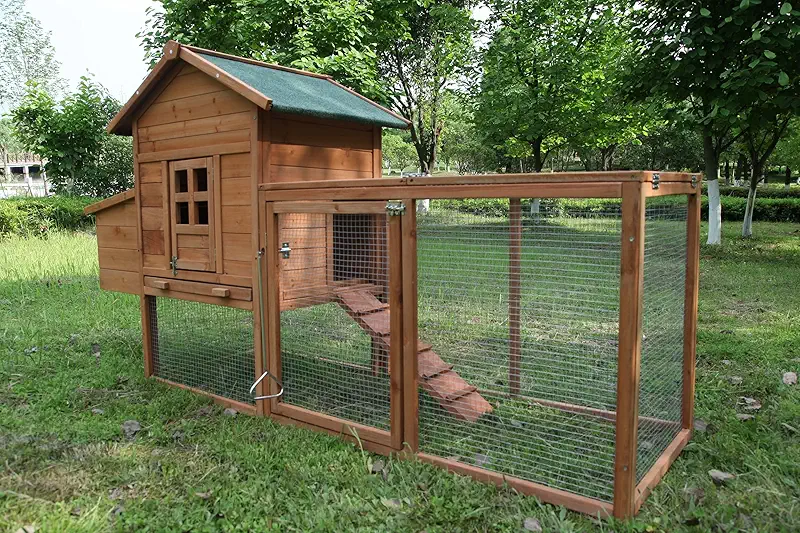
First must have? A safe place where your hens can breathe, flap, and gossip without fear. Space is not just about comfort; it’s about stress. Stressed hens pick feathers, bully each other, and stop laying. Content hens scratch, dust bathe, and go to bed on time like good little ladies.
As a rule of thumb, I aim for about 4 square feet per hen inside the coop and 10 square feet per hen in the run. You can squeeze that a bit for small breeds or if they free‑range often, but if you crowd them, sooner or later they’ll let you know with pecks and screeches.
I once tried saving lumber by building a “cute little coop” for six hens. By the time summer hit, that coop felt like a crowded subway car. Hens were cranky, and egg shells thinned out. When I gave them more room, like magic, the bickering slowed and eggs improved. Lesson learned: generous space is a real chicken coop must have, not a luxury.
Predators don’t take nights off. Raccoons, foxes, dogs, hawks, owls, even rats – they all appreciate a chicken dinner. A solid coop treats predators like the stubborn neighbors they are: assume they’ll try everything.
When I switched from chicken wire to hardware cloth on my windows, the night raids stopped. Chicken wire keeps chickens in; it does not keep predators out. That distinction is one of the biggest chicken coop must haves that new keepers miss.
You can forgive a coop for not being pretty, but never for being damp. Moisture in a chicken coop is trouble: frosty combs in winter, respiratory problems, and a smell that’ll chase you back into the house.
My checklist is simple: roof that doesn’t leak, walls that keep out sideways rain, and ventilation high up so warm, moist air can escape without chilling birds at roost level.
Think of it like this: drafts blow on the chickens, ventilation moves air above them. They hate drafts, but they absolutely need fresh air.
I remember one winter when I sealed the coop too tight, trying to “keep them cozy.” The windows fogged, the walls dripped, and a couple hens started sneezing. I opened up more vents up high, and within a week things cleared up. Since then, good ventilation has been near the top of my chicken coop must haves list.
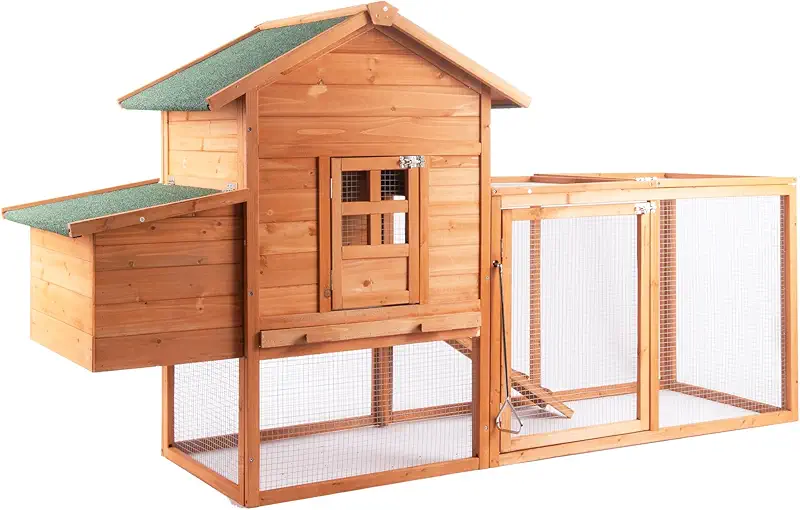
A well‑built coop with solid roof, tight walls, and vents up high keeps birds dry and air fresh through all four seasons.
At dusk, chickens head for the high ground. It’s baked into their bones. Sturdy, comfortable roosts are one of those chicken coop must haves that costs almost nothing but makes a huge difference.
Round metal pipes or skinny dowels look tidy, but hens prefer something closer to a tree branch. I’ve had the best luck with 2x4 boards turned so the flat side faces up. In cold climates, that lets them cover their toes with their feathers at night, which cuts down on frostbite.
I once tried fancy “ladder style” roosts with different levels. Looked nice, caused chaos. The top bar was the hot real estate; the lower birds got pooped on from above. Now I keep my roosts about the same height, in one row or gentle step, and bedtime arguments are fewer.
Grab the roost like a hen would. If your hand doesn’t feel stable or if edges dig into your palm, hens won’t love it either. Comfort here shows up in calmer nights and better rest.
Placing a droppings board or tray under the roost makes morning clean‑up quick. I scrape mine into a bucket, and the coop smells fresh with just a few minutes of work.

Good nesting boxes give your hens a quiet, dim corner to settle in and lay steady, clean eggs.
Hens are picky about where they lay. Give them dark, quiet nesting boxes and they’ll line up like it’s the only café in town. Ignore this, and you’ll find eggs in flower beds, under tractors, and anywhere except where you want them.
For most backyard flocks, one nest box for every 3–4 hens works just fine. Funny thing is, they’ll still argue over the same favorite box, but at least they have options.
I like to keep a thick layer of straw or shavings in the boxes and toss in a fake egg when training new pullets. It’s like putting a “Reserved” sign on a table – gives them the hint. In my mind, simple, easy‑to‑clean nesting boxes are core chicken coop must haves, especially if you want clean breakfast eggs instead of cracked surprises.
A coop you can’t clean easily is a coop you’ll start avoiding. And when you avoid it, smells and sickness creep in. One of my personal chicken coop must haves is a setup that lets me clean up quickly on busy days.
I’ve tried dirt floors, wood, and raised coops with wire. Each has its place, but I always come back to this guideline: the floor should be dry, level, and simple to scrape.
On my main coop, I run a deep layer of pine shavings over a painted wood floor. A couple of times a year I shovel out the bulk, then scrape and freshen it. Between those big cleanouts, I spot‑clean and mix in fresh bedding.
Bedding has two jobs: soak up moisture and keep odors down. Pine shavings, dried straw, or a mix works well. Avoid cedar shavings; the strong oils can bother chickens’ lungs.
When you’re comparing coops, look at the floor and ask yourself: “Can I reach every corner with a shovel or scraper?” If the answer is no, that coop fails the chicken coop must haves test for me.
Little details like doors and latches aren’t glamorous, but they matter. A door that sticks in winter or a latch that pops open on a windy night can undo all your hard work.
I’m not as young as I used to be, so crawling into short coops lost its charm years ago. Now I count “can I stand up or at least crouch comfortably inside?” as a very real must have.
Look closely at hinges, screws, and joints. Light, flimsy hardware might look fine the first season, but once a raccoon hangs on a door or a winter storm rattles it, weaknesses show.

Solid doors, safe ramps, and dependable latches turn a nice‑looking coop into a long‑lasting, predator‑proof home.

A thoughtful run gives hens room to scratch, dust bathe, and sun themselves while staying safe from predators.
Free‑range is nice when you can do it, but between hawks, dogs, and gardens you’d actually like to keep, a secure run is one of those quiet chicken coop must haves I always suggest.
Your run doesn’t have to be fancy. It does need to be sturdy, tall enough for you to move around, and covered on top if hawks or owls are common in your area.
I like to throw in a few stumps, low perches, and dust bath spots. A bored hen is a troublemaker; a busy hen is a good neighbor. Simple perches and places to scratch turn a basic run into something close to chicken paradise.
Here in the States, we get everything from blistering summers to winters that freeze your eyelashes. A good coop respects both. Another key chicken coop must have is the ability to handle your local climate with a few simple tweaks.
I’ve seen hens panting like dogs when the coop turned into an oven. Since then I’ve added shade cloth and placed coops where evening sun doesn’t blast straight into the run.
Most healthy hens can handle cold better than we think, as long as they’re dry and out of the wind. I’ve shoveled paths to the coop in snowstorms more than once, muttering to myself, but the girls come trotting out, shake the snow off, and complain about the weather like the rest of us.
Once the coop itself checks off the big chicken coop must haves, the smaller details decide how pleasant your daily chores feel. A few smart choices here save time every single day.
I like hanging feeders and waterers a bit above ground, just enough so they don’t fill with shavings and straw. My back thanks me for not bending as far, too.
Natural light is best, but a small light for early winter mornings helps you check birds and collect eggs before work. Windows you can actually reach and open are more useful than small, pretty ones you can’t.

Thoughtful access doors and space for feeders and waterers make day‑to‑day chores quicker and easier.
There are a lot of pretty coops out there, but pretty doesn’t keep hens safe. When I look at a new coop, I walk through this mental checklist:
If a coop passes those, then I look at extras: style, paint, windows, little shelves. But the core chicken coop must haves always come first. Hens don’t care about color; they care about comfort and safety.
When you compare different models, give yourself permission to think like a hen and like a tired farmer at the same time. Ask, “Would I want to sleep here if I were small, feathered, and tasty?” and “Will I still be happy using this coop on a cold, rainy night?” If both answers are yes, you’re in good shape.

Run every coop you consider through your own must‑have checklist before you bring hens home.
For six standard hens, I like at least 24 square feet inside the coop (about 4x6 feet) plus a run of 60 square feet or more. If they free‑range most days, you can lean a little smaller on the run, but I still recommend generous space inside. More room means less bullying, cleaner birds, and steadier eggs.
If I had to pick just one, I’d say predator‑proofing. Good ventilation, roosts, and nest boxes all matter, but losing birds to a raccoon or fox is a hard way to learn. Hardware cloth, solid latches, and a sturdy floor or buried wire apron should be at the top of any beginner’s list.
No, you don’t have to run power to the coop, but it can be handy. A small light makes winter checks easier, and a safe heated waterer keeps water from freezing in cold states. If you do use electricity, make sure cords are protected from pecking and chewing, and avoid anything that could tip or overheat near bedding.
I’ve had the best luck with a solid floor (painted wood or similar) covered in pine shavings. Straw can work, too, but it tends to mat up more. Whatever you choose, the floor should stay dry, be easy to scrape, and not have cracks where moisture and mites hide.
Walk into the coop first thing in the morning before you open the door. If it smells sharp or damp, or the windows are fogged, you probably need more ventilation up high. You want fresh air moving out near the roof, while the birds stay out of the direct draft at roost level. When in doubt, add another small vent covered with hardware cloth near the top of a wall.
If you remember nothing else from this farmer’s ramble, remember this: chicken coop must haves are about safety, dryness, and calm birds. Fancy trim and cute windows are nice, but they don’t matter to a hen looking for a safe spot to sleep.
Give them space, sturdy walls, good roosts and nests, dry bedding, and fresh air without drafts. Make it easy on yourself to clean and refill feed and water. Do that, and your coop will feel less like a chore and more like a quiet corner of the farm you’re proud of.
I’ve made enough mistakes for both of us, so take what you’ve read here and let it save you some head‑shaking and fence‑chasing. Build or choose a coop that checks these boxes today, and your future self – standing in the yard with a warm egg in hand – will thank you.

A simple, well‑thought‑out coop means calmer hens, cleaner eggs, and easier mornings for you.
When you’re ready to look around, take this checklist with you and trust your gut. You know your yard, your weather, and your birds‑to‑be better than anyone.
I’ll browse coops now