
Chicken coop for 4 chickens
Chicken Coop For 4 Chickens
Straight talk from a tired-but-happy old farmer who has cleaned more coops than he cares to admit.
If you want four hens laying steady eggs without turning your yard into a muddy mess, the right chicken coop for 4 chickens makes all the difference. I’ll walk you through what actually matters, what’s just fancy paint, and how to keep your girls safe, dry, and laying like clockwork.
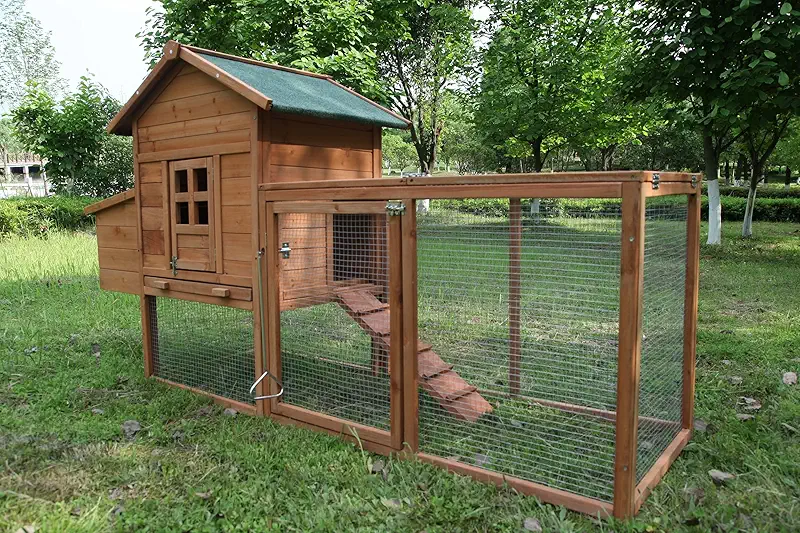
What a coop for 4 hens really needs
I’ve raised chickens for decades here in the States. I’ve seen coops that were little palaces, and I’ve seen coops that looked like a pile of pallets held together by pure hope and rusty nails. Both types can work or fail. The trick is matching the coop to the flock and the climate.
With a chicken coop for 4 chickens, you’re in a sweet spot. Big enough for steady eggs, small enough to keep things simple and easy to clean. Think of it like a starter pickup: doesn’t need all the bells and whistles, just needs to start every morning and haul what you need.
For four hens, here’s the basic checklist I use on my own farm when I look at any coop, whether I build it, buy it, or drag it home from a neighbor’s field:
- Enough indoor space so nobody gets pushed around.
- Dry floor and solid roof, even in sideways rain.
- Good airflow without turning it into a wind tunnel.
- Safe at night from raccoons, foxes, and that one smart neighbor dog.
- Easy to clean without crawling on your knees every weekend.
- Comfortable roosts and quiet nest boxes.
Angry hens will still lay eggs, but they’ll also still yell at you every time you walk by. A good coop is cheaper than chicken therapy.
Space and layout for four hens
Let’s talk size. For a chicken coop for 4 chickens, I like at least 12–16 square feet of indoor coop space and around 40–60 square feet of run space outside. More is fine, less can work if they free-range a lot, but cramped hens turn mean fast.
Indoor space: where they sleep and stay dry
Inside the coop, your girls just need room to:
- Hop up to the roost at night.
- Move between roost and nest box.
- Stay out of each other’s way on rainy days.
Think of four hens like four kids in a tiny cabin: if there’s nowhere to move, somebody is getting pecked. A smart layout lets them pass each other without a feathered traffic jam.
Roosts: bedtime matters
Chickens sleep up off the ground. For four hens, I like about 4–5 feet of total roost space. A 4–5 foot bar works fine. Wood is best; round or slightly rounded edges so their feet rest easy.
Set the roost higher than the nest boxes so they sleep on the bar, not in the boxes. Hens sleeping in nest boxes means poop in nest boxes, and that means dirty eggs and more cleaning for you. Ask me how I know.
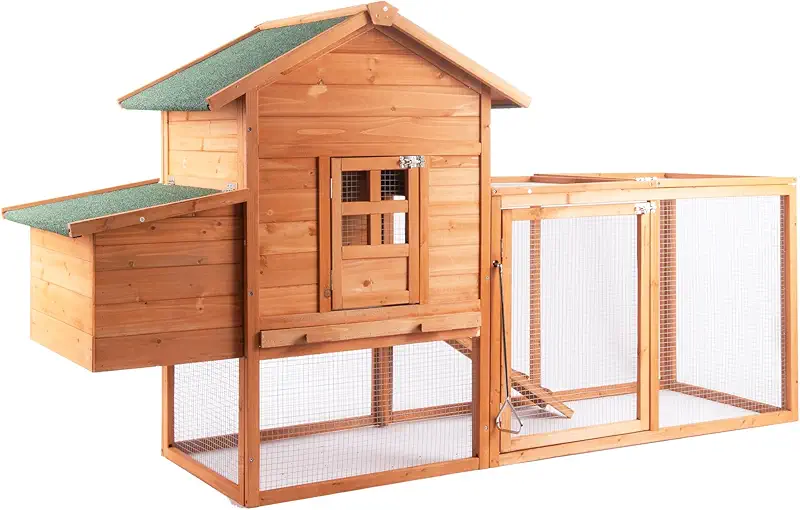

Nest boxes for four steady layers
Folks often overdo the nest boxes. For a chicken coop for 4 chickens, two nest boxes are plenty. Honestly, most of my hens argue over the same box anyway. Chickens love to lay where another hen laid, because apparently privacy is not a thing in chicken world.
Good nest box size and setup
- About 12" wide x 12" deep x 12" high works just right.
- Place them lower than the roosts to avoid bedtime poop problems.
- Add a lip (about 3–4") to keep bedding and eggs from rolling out.
- Use straw, pine shavings, or chopped hay for soft bedding.
I like nest boxes with outside access doors. That way, on a rainy morning, I can grab eggs without stepping in the run and sliding around like a newborn calf on ice.
I put a fake egg (wood or ceramic) in each nest box when I set up a new coop. Teaches young pullets where the “egg spot” is. They figure it out faster than my kids figured out the laundry basket.


Ventilation, dryness, and weather protection
If there’s one thing I preach about a chicken coop for 4 chickens, it’s keep it dry and let it breathe. Damp air is worse than cold air. Chickens can handle cold better than we think, but they do badly with wet and drafty.
Good ventilation without cold drafts
Here’s the pattern I use:
- Vents or windows high on the walls, above the roost level.
- At least two openings on different sides for cross-breeze.
- All openings covered with 1/2" hardware cloth, not flimsy chicken wire.
In summer, I like to open things up wide. In winter, I block direct drafts, but leave high vents open so moisture can escape. Little frost on combs in winter is usually a moisture problem, not just temperature.
Keeping the inside dry
Check for:
- A solid roof that doesn’t drip at the seams.
- Good overhang so rain doesn’t splash in through the windows.
- Floor raised off the ground, or at least not sitting in a low, soggy spot.
I keep my coops slightly uphill if I can, or I throw some gravel down as a base. Mud plus chicken poop is a smell you don’t forget, and your neighbors won’t either.


Predator protection for small backyard coops
When you keep a small flock, you don’t just invite fresh eggs into your yard. You also invite every raccoon, fox, possum, weasel, wandering dog, and hungry hawk in the neighborhood. They can smell chickens like I can smell bacon.
What I look for in a safe coop
- Hardware cloth (1/2" mesh) instead of chicken wire for the run.
- Doors that close tight with latches, not simple hook-and-eye that raccoons can flip.
- No big gaps under the walls where something can dig in overnight.
- Solid wood or metal where the hens sleep at night.
For a chicken coop for 4 chickens, adding a simple wire apron around the base is cheap and works well. Lay hardware cloth flat on the ground around the run, 12–18" out, and pin it down. When predators try to dig at the edge, they hit that wire and usually give up.
Do a “night walk” with a flashlight after dark. Look for gaps, soft spots in the soil, or open cracks. If you can fit two fingers through, a predator is taking notes.
Cleaning and daily chores: save your back
A chicken coop for 4 chickens is small enough that cleaning shouldn’t feel like a full-time job. But it can become a chore if the doors are low and everything is cramped. I’m not as bendy as I was at 20, so I appreciate good access more every year.
Features that make life easier
- Big access doors you can reach through without crawling.
- Slide-out trays under the roosts for easy poop removal.
- Removable roost bars so you can scrub when needed.
- Outside access to nest boxes for quick egg collection.
I like to do a quick 5–10 minute clean once a week for a small flock:
- Scrape droppings from roost area or trays.
- Stir or top up bedding in the coop and nest boxes.
- Check waterer and feeder for dirt or mold.
- Glance for leaks, loose boards, or chewed edges.
Once a season, give the coop a deeper clean. Pick a warm, dry day, shoo the girls into a temporary pen, and scrub down surfaces. Your nose and your hens’ lungs will thank you.
Choosing materials: wood, metal, or plastic?
You’ll see all kinds of builds advertised as a chicken coop for 4 chickens: lightweight wood, heavier lumber, metal, and plastic. I’ve tried just about everything over the years.
Wooden coops
Wood is the classic choice, and for good reason:
- Insulates fairly well in both hot and cold weather.
- Easy to screw into if you want to add roosts or hooks.
- Looks nice in the yard.
The downside is that cheap wood can rot fast if it sits on wet ground. I always raise wooden coops off the soil a bit and keep the lowest boards dry.
Metal and plastic coops
Metal can last a long time but can get very hot in direct sun. Plastic is light and often easier to wash, but sometimes feels flimsy in strong wind. For just four hens, a good-quality wooden or plastic coop is usually the sweet spot for backyard flocks.

Daily life in a coop for 4 chickens
When your coop is set up right, daily chores feel simple. My morning routine with a small flock goes like this:
- Open the pop door and say good morning (yes, I still talk to them).
- Check feed level and top off if needed.
- Glance at water and rinse/refill if it looks cloudy.
- Grab any early eggs from the nest boxes.
With just four hens, that’s maybe ten minutes unless I stop to watch them scratch around and gossip, which I usually do. In the evening, I shut the pop door again once they’ve all hopped back inside. With a small coop and a small flock, you’ll get to know each bird pretty well.
A good chicken coop for 4 chickens gives each hen:
- A safe spot to sleep without being bullied.
- A quiet nest where she can lay.
- A dry place to get out of the weather.
- Enough room to stretch and flap a little.
And it gives you:
- Eggs you can actually find.
- Less mud and smell than a random shed.
- Less time cleaning and more time enjoying the flock.
FAQ about a chicken coop for 4 chickens
If you’re ready to give your four girls a safe, cozy home and make egg collection the easiest part of your day, take a slow look through the different chicken coop styles and picture them in your own yard.
Show me more coops