
Chicken coop for 10 hens
Chicken Coop For 10 Hens
I’ve raised laying hens for more years than I can count on one hand and one muddy boot. If you’re trying to set up a chicken coop for 10 hens, let me walk beside you a bit so you avoid the mistakes I already paid for.
Ten hens is a sweet spot. Big enough to keep a steady basket of eggs, small enough that you still know each lady by name and attitude. But they do need the right home. Too small and they quarrel. Too dark and they stop laying. Too drafty and you’ll spend your evenings worrying instead of resting.
Think of your chicken coop for 10 hens like a little barn apartment: safe, dry, bright, and easy to clean. If you get those four things right, the rest is just fine‑tuning. I’ll share what has worked on my farm, and where I’ve messed up so you don’t have to.
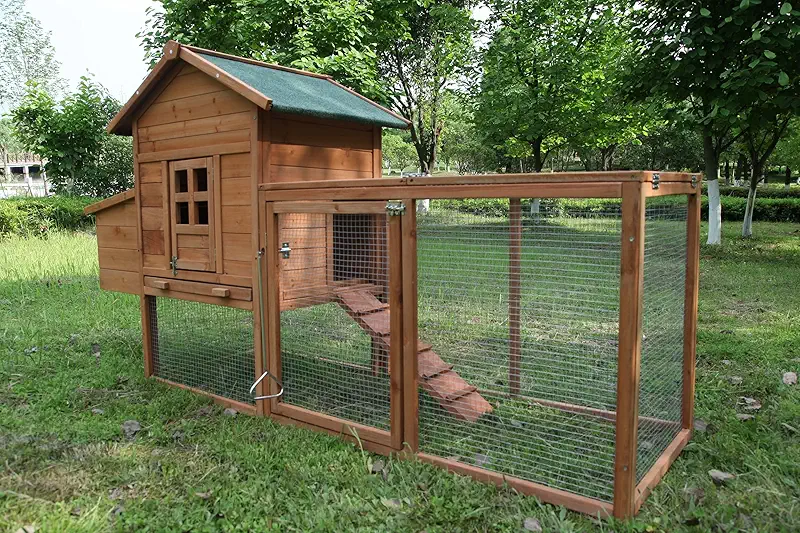
A solid, weather‑tight chicken coop for 10 hens keeps your flock calm, dry, and laying strong through all seasons.
How big should a coop be for 10 hens?
Let’s start with space, because this is where most folks go wrong. The pictures look cute, the paint is pretty, but the floor space is tight. Your hens don’t care about the color. They care about elbow room… or wing room, I guess.
For a chicken coop for 10 hens, I like:
- Indoor coop space: at least 40 square feet (about 4 sq ft per hen)
- Outdoor run space: 100+ square feet (10 sq ft per hen is the bare minimum I tolerate)
- Roost space: 8–10 inches of perch per hen
- Nest boxes: 3–4 good nest boxes for 10 hens
One of my early coops was just under that size. I thought, “Ah, they’ll be fine.” They were not fine. The bullying got worse, feathers ended up on the floor, and egg production dipped. Once I moved them to a properly sized coop, everyone calmed down, and I didn’t get that judgmental stare from my best layer anymore.
If you’re looking at a ready‑made chicken coop for 10 hens, check the floor dimensions first, not just the headline. Ten hens means ten full‑grown birds, not ten chicks.
Designing a cozy layout for ten hard‑working hens
A coop that looks tidy in pictures can turn into a circus the first rainy week if the layout is wrong. Your hens have opinions about traffic flow, even if they can’t draw you a floor plan.
Roosts: the chicken bedroom
Chickens sleep up high because they’re prey animals. For a chicken coop for 10 hens, I run two roost bars across the back wall. Each bar is about 5 feet long, set at the same height or with just a little step difference so they don’t poop on each other all night.
I use 2×4 lumber laid flat, wide side up. That way in winter they can sit on their feet and keep those toes warm. Round dowels look cute, but my hens always fight for the flat boards.
Nest boxes: the maternity ward
For ten hens, three nest boxes are usually enough, four is pure luxury. They’ll all pick one favorite box anyway, just to keep you humble. Make each about 12×12×12 inches with a little lip in front to hold the bedding.
I like nest boxes mounted lower than the roosts so they don’t sleep in there at night. Chickens like to sleep in the highest spot. If the nest is highest, you’ll be cleaning poop out of your breakfast every morning.
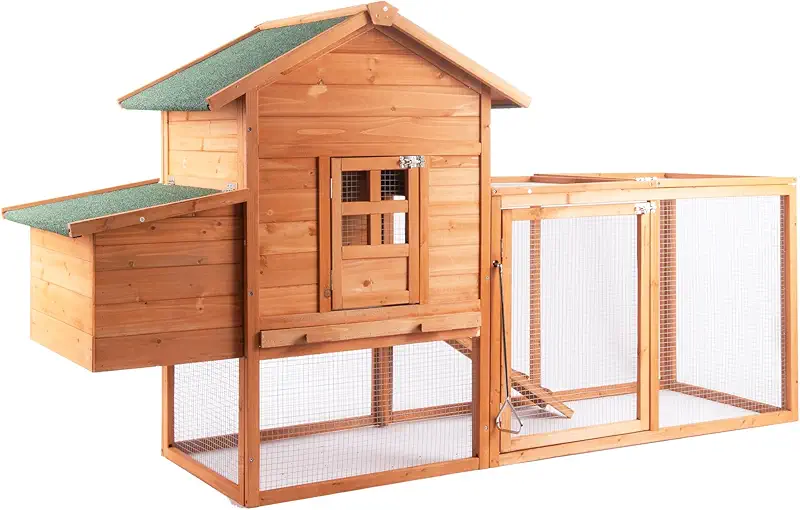
A well‑planned interior in your chicken coop for 10 hens keeps roosts, nest boxes, and feeders in harmony so your flock moves calmly, not like a feathery traffic jam.
Feeders, waterers, and your boots
Leave yourself a bit of walking room. Future‑you will thank past‑you every snowy morning. I hang the feeder just below chest height of the birds and the water at about the same level on the opposite side of the coop. That way the feed stays cleaner and there’s a natural “loop” as they move around.
Think of it this way: can you step in with a full bucket, close the door behind you, and turn around without bumping your backside on a hen? If not, it’s too tight.
Ventilation, light, and warmth for ten hens
Hens handle cold better than damp and drafts. I live where winter actually means something, so I’ve learned to pay close attention to ventilation. A chicken coop for 10 hens puts out a lot of moisture just from breathing and droppings.
Good air, no drafts
You want vents up high to let warm, moist air escape, and a way for fresh air to come in without blowing straight on the roosts. Fixed vents under the eaves work well. In summer, I open screened windows on the shady side of the coop.
One winter I thought I was being kind by sealing everything up tight. The coop stayed warm all right, but the air got heavy and damp. That’s when frostbite showed up on a couple of combs. Lesson learned: fresh, dry air beats “warm and wet” every time.
Natural light and laying rhythm
Hens lay better when they have around 14 hours of light. Big, predator‑proof windows on the east or south side give a nice soft light. For my chicken coop for 10 hens, I put a window over the nest box area so I can see what I’m doing when I gather eggs.
If you add a light for the dark months, use a simple timer and keep it gentle. No need to turn the coop into a supermarket aisle.

Good windows and vents in a chicken coop for 10 hens keep the air fresh, reduce moisture, and help your flock lay steady all year.
Bedding and winter comfort
I like a deep bedding method in a coop this size. Start with a few inches of pine shavings or dry straw, keep adding fresh on top, and stir it now and then. It breaks down slowly and gives a gentle warmth in winter. The hens take care of half the stirring for you.
Dry is the keyword. If the bedding starts to smell sharp or feels damp, add more dry material and improve airflow. Your nose is as good a tool as any thermometer.
Predator‑proofing a chicken coop for 10 hens
When you keep chickens, you’re also running a free buffet sign for every fox, raccoon, dog, and hawk in the neighborhood. A chicken coop for 10 hens is a big enough prize that predators will work hard for it.
Hardware cloth over chicken wire
Chicken wire is good for keeping chickens in, not for keeping predators out. I learned that the hard way many years back. Now I use ½‑inch hardware cloth on windows, vents, and lower walls.
For the run, I like hardware cloth at least 2–3 feet up from the ground. If I’m stretching the budget, I’ll use heavier fencing on top of that, but the bottom part is always the strong stuff.
Dig‑proof the perimeter
Raccoons, foxes, and even bored neighborhood dogs love to dig. I run a skirt of wire mesh out from the base of the run fence about 12–18 inches and bury or pin it down. When something digs at the edge, it hits wire instead of a doorway.

Strong fencing and hardware cloth make a chicken coop for 10 hens a safe place to roost, even when the local predators get curious.
Doors, latches, and night routine
Every coop door should close snugly. I’ve had raccoons open simple slide bolts like it was nothing. Now I use two‑step latches they can’t manage. I also like a pop door that opens into the run and can be locked for the night.
In my house, we have a simple rule: “No light in the coop, no light in the kitchen.” Meaning, we don’t settle down until the birds are tucked in and the coop door is shut. It’s saved more hens than I can count.
Daily care in a 10‑hen coop
Once your chicken coop for 10 hens is set up right, the day‑to‑day work is easy. A few minutes of habit beats an hour of rescue work after neglect.
Morning routine
- Open the pop door and check everyone looks alert
- Top off feed and fresh water
- Scan bedding for anything odd (blood, broken eggs, unusual droppings)
- Quick look at combs and feet while they are on the roost or dust‑bathing
Ten hens are just enough to hide a sick bird if you’re in a hurry. I move slow in the mornings, let them talk to me, and I watch who hangs back or acts off. Chickens don’t complain much until they’re already in trouble.
Evening routine
- Count heads on the roost (yes, every night)
- Close and latch every door and window that needs it
- Collect last eggs so they don’t freeze or get broken
- Quick peek at the feeder level for the next morning
A chicken coop for 10 hens also means 10 sets of droppings. Don’t let that scare you. On my farm, I do a light clean once a week—scrape under the roosts, stir the bedding, add fresh material. Then a bigger clean a few times a year. Nothing fancy, just steady.

A simple daily routine in a chicken coop for 10 hens keeps the flock healthy, the air fresh, and egg baskets full.
Breed choices and personality in a 10‑hen flock
The coop is the stage, but the hens are the actors. Ten hens in one coop is just about perfect for a mixed cast. I rarely keep all one breed anymore. I like a little variety in the egg basket and in the personalities.
Calm, steady layers for a mid‑size coop
In a chicken coop for 10 hens, I lean toward calmer breeds:
- Australorps – gentle, reliable layers, handle heat and cold
- Orpingtons – big, fluffy, and friendly, good for kids
- Plymouth Rocks – sturdy birds, not drama queens
- Red sex‑links – egg machines, though a bit more high‑energy
When you mix breeds, just make sure their size and temperament line up well. Ten hens in a coop is not the place for one tiny bird and nine big bullies.

A balanced mix of calm, reliable breeds turns a simple chicken coop for 10 hens into a peaceful, productive flock.
Egg expectations from 10 hens
Folks always ask how many eggs they’ll get. With a healthy flock in a good chicken coop for 10 hens, I usually see:
- In their prime: 7–9 eggs a day in spring and summer
- In winter: 3–6 eggs a day, depending on light and breeds
Remember, hens are not machines. They take breaks, they molt, they get broody. Your job is to give them a safe, steady home and let nature do the rest.
Common mistakes with a chicken coop for 10 hens
Over the years I’ve seen the same few missteps pop up again and again. I made plenty of these myself. If you can dodge them, your hens will thank you in their own egg‑shaped way.
- Believing the “up to 10 chickens” label without checking the actual floor size.
- Too many windows on the windy side, turning the coop into a draft box instead of a shelter.
- Nest boxes level with roosts, inviting hens to sleep where they should be laying.
- No overhangs or gutters, so rain runs straight down the walls and into the bedding.
- Skipping hardware cloth and trusting chicken wire alone.
A good chicken coop for 10 hens doesn’t need to be fancy. It needs to be honest: real space, real wood or metal, real ventilation, real predator protection. After that, if you want to paint little flowers on the side, I won’t stop you.

Avoid cramped, flimsy designs and choose a chicken coop for 10 hens that’s built for real birds and real weather.
When you look at different options, picture yourself there on a rainy November evening with a flashlight and a feed bucket. If it still seems easy and safe in your mind, you’re looking at the right kind of coop.
Walking through my own 10‑hen setup
Let me paint you a quick picture. My current chicken coop for 10 hens is a simple rectangle, a touch over 4×10 feet inside, with a covered run that’s about 10×12 feet.
You open the human‑sized door and step onto a little dry landing. To your left, two long roost bars run the full length, with a dropping board underneath that I scrape once a week. To your right, the nest boxes sit low under a window that catches the morning light.
Feed hangs from the ceiling, water sits in a corner stand, and there’s just enough room for me to turn around with a bucket. Vent slots up under the eaves keep the air moving. The whole thing is wrapped tight in hardware cloth wherever there’s an opening bigger than my thumb.

A simple, sturdy chicken coop for 10 hens, with space to move, roost, and scratch, turns chores into a quick, peaceful visit.
Is it fancy? Not at all. But it’s dry, bright enough to see your hat, and tight enough that I don’t lie awake listening for trouble every night. That’s all I ask of a coop. The hens seem to agree, judging by the eggs.
If you’re ready to pick out a chicken coop for 10 hens, take your time and think like a hen and a tired farmer at the same time. Would you feel safe sleeping there? Could you clean it in your worst pair of boots without swearing too much? If the answer is yes, you’re close.
There are plenty of solid options that give your flock real working‑room instead of just pretty paint. I like to look for coops with honest dimensions, strong mesh, easy‑to‑open doors, and enough space for a real 10‑hen flock, not just a sales line.
Let me see more