
Chicken coop cost
Chicken Coop Cost: What I Really Spend To Keep My Hens Happy
I’ve been raising laying hens in the U.S. for decades, through hot summers, icy winters, and more than a few “creative” coop experiments. Let me walk you through what a chicken coop really costs, where the money quietly leaks out, and where you can safely save a buck without short‑changing your birds.
If you stick with me for a few minutes, you’ll leave with a clear idea of how much you should plan for your coop, from bare‑bones starter setups to sturdy, long‑term homes for a flock that actually pays its way in eggs.
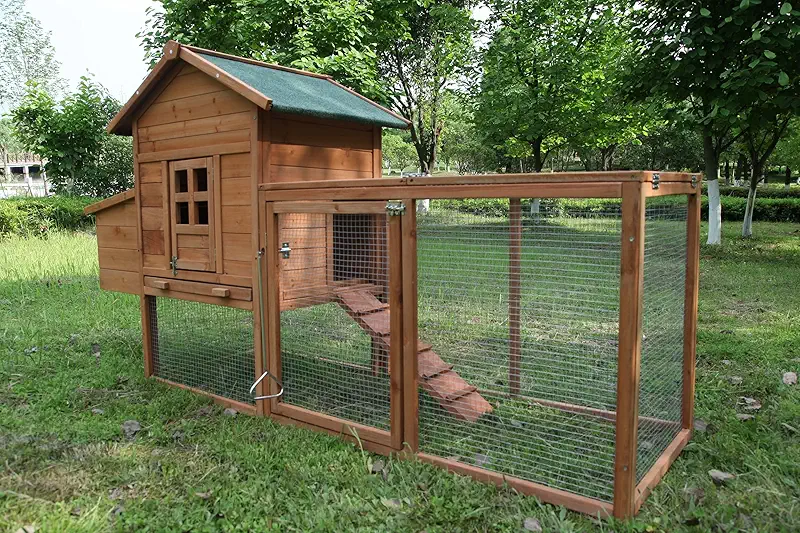
How I Think About Chicken Coop Cost
When folks ask me about chicken coop cost, they usually want a simple number. I wish it worked that way. Truth is, a coop is more like a pickup truck: you can get by with an old beater, or you can pay more for something that runs smooth for years.
Over the years I’ve built coops out of almost everything – new lumber, old pallets, a neighbor’s fallen-down shed, even a kids’ playhouse that the kids outgrew. I’ve also tried a few prefab coops I ordered online, some good and some… well, let’s just say the raccoons gave those a five‑star review.
The main thing I’ve learned is this: the real cost of a chicken coop isn’t just the price tag on day one. It’s what it costs you in:
- Repairs when the roof leaks or the door warps.
- Lost hens when predators find the weak spot.
- Time wrestling with awkward doors and cramped space.
- Egg production when stressed hens stop laying.
So when we talk about chicken coop cost, we’re really weighing cheap right now versus fair price that lasts. I lean toward the second option these days. I’ve seen too many “bargains” turn into expensive lessons.
What Actually Drives Chicken Coop Cost?
Let’s break down what really moves the needle on price, based on what I’ve seen building and buying coops for my own laying hens.
1. Flock size: how many ladies are you housing?
Chickens don’t need a palace, but they do need enough room to avoid bullying and stress. I aim for about 4 square feet of indoor coop space per hen and 8–10 square feet of run space per hen if they’re not free‑ranging much.
- 3–4 hens: small coop or tractor style, lowest chicken coop cost.
- 6–8 hens: mid‑size backyard coop, more lumber, sturdier structure.
- 10+ hens: walk‑in style or small shed with attached run.
When I cheaped out on space early on, my hens let me know: pecking, feather loss, and fewer eggs. Giving them a bit more room cost me more in wood, but paid me back in eggs and peace.
2. Materials: wood, metal, plastic… or scrap
Materials make a big difference in both upfront chicken coop cost and long‑term headaches.
- Softwood lumber (pine, spruce) – affordable, easy to work with, but needs paint or stain.
- Hardwood or high‑grade lumber – tougher, more expensive, great for high‑wear spots like doors and ramps.
- Metal panels – excellent for roofs; on walls they can sweat with condensation if not done right.
- Plastic/coated panels – some prefab coops use these; easy to clean but can get brittle in harsh cold.
- Scrap/reclaimed wood – cheapest, but more labor sorting, squaring, and sometimes replacing.
I’ve built coops almost entirely from reclaimed barn wood. They were cheap and pretty, but the time I spent de‑nailing, squaring, and patching would have paid for a good chunk of new lumber. These days I usually mix the two.
3. Predator protection: pay now or pay later
I live where raccoons, foxes, hawks, and the neighbor’s dog all think “chicken” is another word for “snack.” Cutting corners on predator protection is one of the most expensive mistakes I’ve seen people make.
Key items that add to the chicken coop cost but save birds:
- Hardware cloth (not chicken wire) for windows and lower walls.
- Buried apron of wire around the run to stop digging.
- Solid latches that a raccoon can’t work like a tiny burglar.
- Sturdy frame that doesn’t flex and twist with weight.
When I finally switched from cheap chicken wire to proper hardware cloth, my losses to predators dropped to nearly zero. It added maybe $60–$120 to the build, but it saved me many hens and a lot of heartache.
4. Climate: hot, cold, wet, or windy?
Chicken coop cost also shifts with your weather. Here’s how I outfit mine based on what the sky likes to throw at us:
- Cold climates: tighter construction, fewer drafts, more bedding, maybe insulated north wall.
- Hot climates: more ventilation, shade, light‑colored roof, extra run space.
- Wet places: good roof overhangs, raised floor, decent gutters or at least drip control.
- Windy areas: heavier framing, extra bracing, solid anchor points.
My coldest‑weather coop cost more than my simple summer tractor, but my hens stayed laying right through most of the winter. That steady egg basket helped cover that higher chicken coop cost over time.
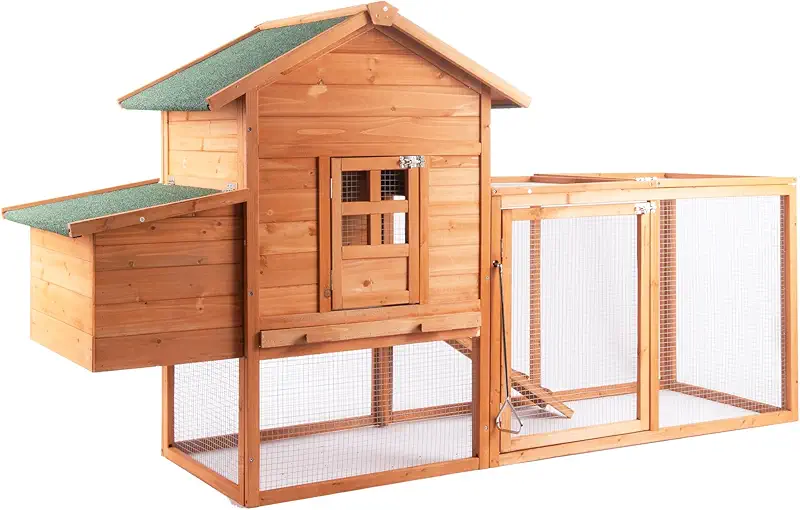

Prefab Coop vs DIY: What I’ve Learned The Hard Way
I’ve tried it both ways: building coops from scratch and putting together prefab kits I ordered online. Each path has its own price tag and its own kind of headache.
Prefab coops: what the box doesn’t tell you
Prefab coops can look pretty sharp in the pictures. Painted trims, cute windows, sometimes even flower boxes. The chicken coop cost on those can range a lot, but here’s what I generally see:
- Entry level prefab: $180 – $350 for 3–4 hens on paper, often 2–3 hens in real comfort.
- Mid‑range prefab: $350 – $700 with nicer hardware, better roofing, bigger runs.
- Larger prefab coops: $700 – $1,200+ for walk‑in styles and bigger runs.
The main catch is space exaggeration. If a listing says “up to 6 chickens,” I mentally cut that in half. Hens are more polite than people, but they still don’t like being crammed shoulder to shoulder.
On the plus side, prefab coops:
- Save time, especially if you don’t own many tools.
- Come with doors, windows, and nesting boxes already thought through.
- Let you see your chicken coop cost upfront with no surprise lumber runs.
On the downside, some use soft screws, thin wood, and flimsy latches. I’ve had to reinforce more than one with better hardware and extra bracing.
If you’re leaning toward a kit, I like to browse through several options at once, compare size, build style, and real‑world reviews all in one place. You can do that here:
DIY build: where the money hides
Building your own coop can feel cheaper, and sometimes it really is. But here’s where the chicken coop cost sneaks up on you:
- Lumber prices that change every time you blink.
- Extra screws, hinges, and brackets you didn’t plan for.
- Tools you have to buy or borrow (saws, bits, clamps).
- Those “one more quick trip” runs to the hardware store.
For a simple 4–6 hen coop using new lumber and decent hardware, I typically end up around:
- Lumber: $150 – $300
- Hardware cloth and fencing: $80 – $200
- Roofing materials: $40 – $120
- Hardware (latches, screws, hinges): $40 – $100
That puts the chicken coop cost for DIY roughly in the $310 – $720 range for a solid, mid‑size coop. If I use reclaimed materials, that can drop, but the “payment” is in my time and sweat.


Ongoing Costs: The Part Nobody Mentions
Even once the coop is built and paid for, there are a few regular costs that tag along. They’re not huge, but it’s better to expect them instead of being surprised later.
Bedding and cleaning
I use pine shavings most of the time, sometimes straw when I can get it clean and dry. For a small backyard coop:
- Bedding: around $10 – $25 per month depending on how deep you bed and how many hens you keep.
- Occasional deep clean: maybe a few extra bags and an afternoon of your time.
A coop that’s easy to rake out and has big enough doors to step through saves a lot of cussing in the long run, trust me.
Repairs and upgrades
Weather, pecking, and everyday wear all nibble away at your coop. Over a year or two I generally have to:
- Replace or repaint a board or two.
- Swap out latches that loosen up.
- Patch any spots predators test too hard.
I set aside maybe $40 – $70 per year for repairs on a typical coop. Cheap coops take more of that, well‑built ones take less.
Electricity and extras
Some folks add a low‑wattage heater, a heated waterer, or a bit of lighting in winter. I go light on that — chickens are tougher than we think — but now and then I’ll run a small heated water base so their drink doesn’t freeze solid.
That might add a few dollars to the winter power bill, but it beats swinging an ice hammer every morning before coffee.


How To Keep Chicken Coop Cost Under Control (Without Short‑Changing Your Hens)
I’m no stranger to stretching a dollar. Farm life will teach you that. Here are the places I’ve learned I can safely save money, and the spots where I absolutely don’t cut corners.
Places you can save
- Pretty trim and paint: The hens don’t care if the trim is fancy. Function first, pretty later.
- Reclaimed lumber for non‑structural parts: Nesting boxes and interior walls can often be scrap.
- Simple layout: Straight lines, basic rectangles, no need for designer angles.
- Used tools: Borrow or pick up good second‑hand tools instead of buying shiny new ones.
Places you should not skimp
- Roofing: A leaky roof is misery. Pay for solid roofing and good screw placement.
- Floor and base: Raised, solid, and dry beats cheap and rotten every time.
- Predator‑proofing: Good wire, solid doors, real latches.
- Ventilation: Enough secure openings up high to let moisture escape.
One rule I live by: if something failing would kill a hen, I spend the extra. If it just makes the coop a little less cute, I grab the cheaper option.
A quick way to compare your options
If you’re not sure yet what direction to go, it can help to look at several coop styles side by side — tractors, walk‑in coops, compact urban setups, all at different price points. I like scrolling through a whole page of them and seeing what size, material, and layout fits my yard and budget.
Chicken Coop Cost – Common Questions
For a small backyard flock of 3–4 hens, most folks I know end up spending somewhere between $180 and $450 on the coop and basic run. That might be a modest prefab coop or a simple DIY build with decent lumber and wire.
If you already own tools and can scrounge some materials, you can slide toward the lower end. If you want something roomier and sturdier right away, you’ll likely land near the higher end of that range.
It depends on how handy you are and what lumber costs look like in your area. On paper, DIY can be cheaper, especially if you have tools and scrap wood. In reality, once you count all the little trips to the store and your time, a decent prefab coop often ends up in the same ballpark.
I usually tell people this: if you enjoy building things and don’t mind a weekend of sawdust, DIY is great. If you’d rather spend that time getting to know your hens, a well‑chosen prefab can make good sense for the chicken coop cost.
For most people, the biggest hidden cost is poor predator protection. Replacing birds is a lot more painful — emotionally and financially — than paying a bit extra upfront for proper hardware cloth and good latches.
A close second is bad design: doors that are too small, roofs that are hard to reach, and cramped interiors. Those make cleaning a chore, and a dirty coop can lead to sick birds and vet bills down the road.
If you live where winters bite, you don’t need a heated palace, but you do need a coop that’s dry, draft‑free at roost level, and well‑ventilated up high. That usually means tighter construction, a solid roof, and enough insulation in the sense of thick walls or deep bedding.
That can add a bit to the chicken coop cost, but a good winter‑ready coop protects combs from frostbite and keeps hens laying better through the cold months.
With halfway decent materials and a little care, a coop should give you 8–15 years of service, sometimes more. I’ve got one coop that’s pushing 12 years right now — I’ve had to repaint it and swap a few boards, but the bones are still solid.
When you spread the chicken coop cost over that many years and all those eggs, it usually works out to a very fair deal. Especially when you count the joy of watching hens scratch around the yard like they own the place.
If you’re still weighing what chicken coop cost makes sense for you, it can help to see real examples — small starter coops, bigger walk‑ins, and everything in between. Take a quiet minute, picture your hens out there, and see which style fits your yard and your gut.
Let me see them allWhen you’re ready, explore all the different chicken coop setups available and find the one that feels right.